









ERP Software in Riyadh

ERP Software in Riyadh should give a group one place for accounts, 15% VAT, purchasing, sales, stock, projects and payroll. Symake's ERP does that, with FATOORA-ready invoices and consolidated reports for every company you run.

How ERP Software in Riyadh ties a group together
200+ Projects Delivered

What you get

  • Separate ledgers per company, one shared database
  • Group cash and receivables on a single screen
  • Inter-company invoices posted on both sides at once

How ERP Software in Riyadh ties a group together

Many Riyadh groups keep a head office in Al Olaya or King Abdullah Financial District (KAFD) while their operating companies sit in Al Malqa, Hittin or the MODON industrial cities on the edge of town. Each company often has its own accounting file, its own sheet of stock and its own habit for approving spend. An ERP replaces those islands with one database, so a purchase in one company and a sale in another land in the same set of books. Symake's ERP keeps each legal entity separate for ZATCA while the group finance team sees cash, receivables and margins together. Symake's consultants come from Bengaluru for the workshops and for go-live.

Book a Free Demo
0 + Projects Delivered
0 % Client Satisfaction
0 + Years of Experience
0 + Industries Served

What one database covers for a Riyadh group

Nine areas that stop living in separate files

General ledger

General ledger

A chart of accounts per company with a shared group structure, so month-end consolidation needs no copy and paste.

VAT at 15%

VAT at 15%

Input and output VAT calculated on every document and summarised per company, ready for each ZATCA return.

Purchase control

Purchase control

Requests, quotations, purchase orders and supplier bills linked together, with three-way matching before payment.

Sales and invoicing

Sales and invoicing

Quotes become orders and orders become tax invoices that print with the QR code and every field ZATCA asks for.

Stock control

Stock control

Quantities and values per warehouse, with transfers between group companies recorded as proper inter-company sales.

Project costing

Project costing

Budgets, timesheets and costs per project, so you can see which contracts earn money before they close.

People and payroll

People and payroll

Employee records, leave and monthly payroll in SAR posted straight to the right cost centre and company.

Approval limits

Approval limits

Spending limits per role and per company, with every sign-off stamped with the user, the date and the time.

Group reports

Group reports

Profit and loss, balance sheet and cash flow by company or combined, in SAR or a second reporting currency.

Inter-company work without double entry
Inter-company work without double entry screenshot

Inter-company work without double entry

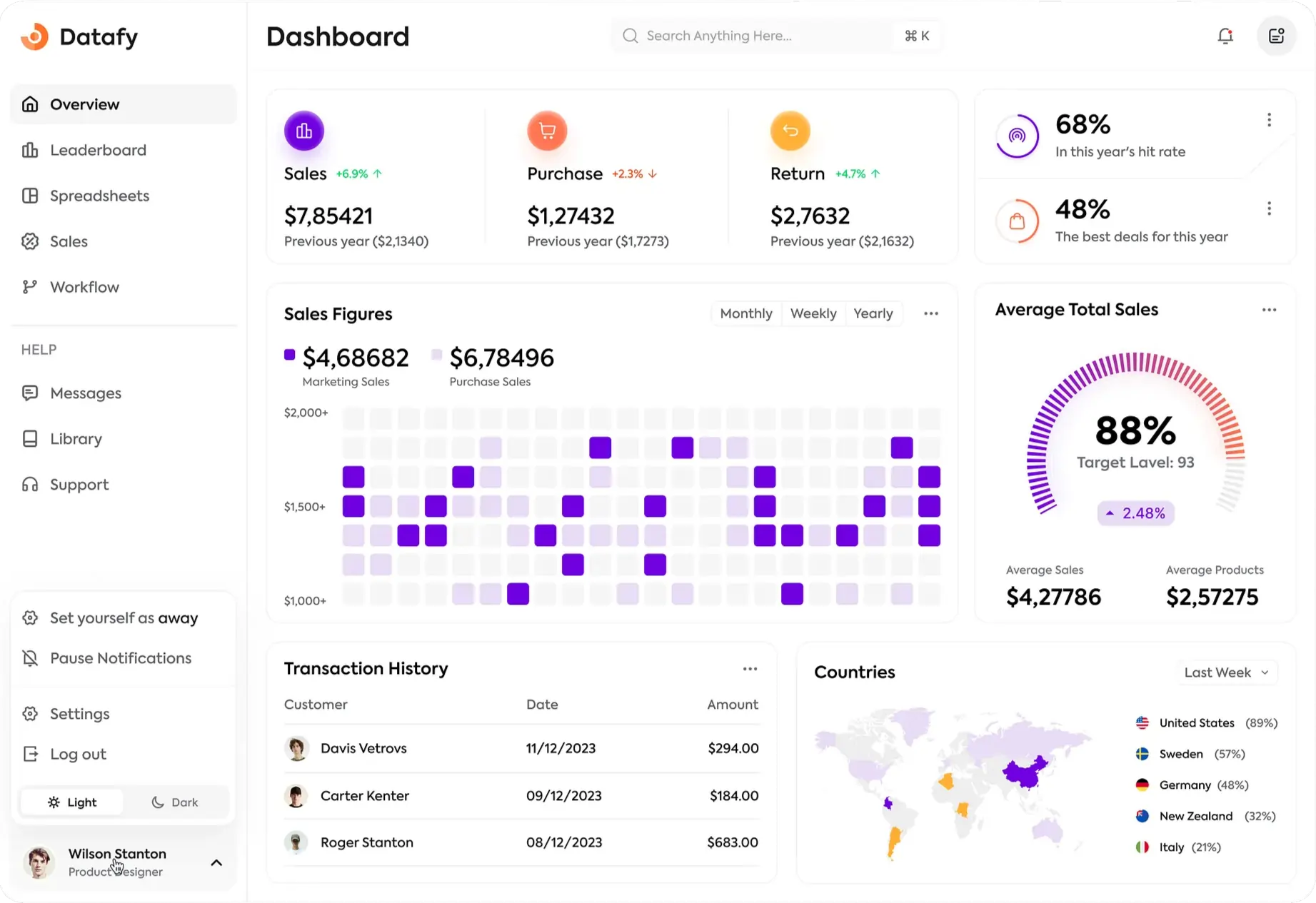
When one Riyadh company sells to another inside the group, both sides usually key the same invoice twice and then argue about the balance at year end. Symake's ERP posts the sale in one company and the matching purchase in the other in a single step. Eliminations for the consolidated accounts come from the same records, so the group view is ready when each company closes its month.

  • One entry creates both sides of the deal
  • Balances between companies always agree
  • Eliminations prepared for the combined view
  • Each entity still files its own VAT return
See group accounting →

From separate files to one Riyadh ledger

The order most groups follow when they bring companies together

Map entities

List every legal entity, VAT number, bank account and currency the group runs today.

Agree accounts

Design a shared chart of accounts that still lets each company report on its own.

Load balances

Bring opening balances, open invoices and stock counts across from the old files.

Set approvals

Decide who can approve purchases and payments in each company, and up to what value.

Connect FATOORA

Link invoicing to ZATCA so each company's tax invoices are reported or cleared.

Close together

Run the first month-end for all companies in one system and review the group pack.

One system for Riyadh businesses

Saudi VAT is 15% and ZATCA runs FATOORA phase 2 in waves. A business joins wave 25 if its VAT-subject revenue topped SAR 187,500 in any single year between 2022 and 2025, and its integration deadline is 1 February 2027. In a group, each company is tested on its own revenue, so one entity may need to integrate before its sister companies. Symake's ERP is used across real estate, manufacturing, retail, healthcare, distribution and logistics, education, FMCG and hotels, and the same ledger design works for each of those eight. Personal data on staff and customers falls under the PDPL, which SDAIA has enforced since September 2024.

Check wave 25 eligibility company by company
Integration deadline of 1 February 2027
Arabic invoice fields set up for each entity
Staff records handled under the PDPL

Why Riyadh finance teams move to one system

Growing groups in Riyadh usually reach the same point: closing the month takes too long, nobody trusts the stock figure and approvals happen in chat messages. An ERP fixes the process, not just the software, because everyone works from the same records.

✓ Month-end close from one set of books
✓ Stock values that match the ledger
✓ Approvals with a full audit trail
✓ Reports in SAR and other currencies
✓ FATOORA-ready tax invoices
✓ Cloud or own-server hosting
Book a walkthrough
Why Riyadh finance teams move to one system
Built for GCC Business

Bring your Riyadh companies into one ledger

Tell us how many entities you run and we will show the group set up in a short online session.

Frequently Asked Questions

Can one installation hold several Riyadh companies with different VAT numbers?

Yes. Each company keeps its own VAT number, chart of accounts, invoice series and ZATCA connection, while group users can switch between entities or view combined reports without logging in twice.

Will Symake staff sit in our Riyadh office during the project?

No. The project is run from Symake's base in Bengaluru, India. Consultants fly to Riyadh for workshops, training and go-live, and day-to-day support is handled remotely during hours that overlap the Saudi working week.

How is an ERP different from the accounting package our Riyadh team uses now?

An accounting package records what finance enters. An ERP also runs purchasing, sales, stock, projects and payroll, so transactions are created where the work happens and reach the ledger without being keyed again.

How do we know if a group company falls in FATOORA wave 25?

Look at VAT-subject revenue for each year from 2022 to 2025. If any one year went above SAR 187,500 then that company is in wave 25 and must integrate with FATOORA by 1 February 2027.

Can the group report in US dollars as well as SAR?

Yes. Transactions are kept in their original currency and converted at the rate you set, so the books stay in SAR while group reports can also be shown in US dollars or another currency.

Which modules should a Riyadh company switch on first?

Most start with accounts, VAT, purchasing, sales and stock, because they share the most data. Projects, payroll and CRM can be added later in the same database without a second migration.

Where would our Riyadh group data be hosted?

You can host in a cloud data centre inside Saudi Arabia, since several global providers run them in the Kingdom, or on your own server. Either way, PDPL rules on personal data still apply to your records.

How does the system record who approved a payment?

Each document holds a log of who created it, who approved it and when. Posted entries cannot be changed quietly, and any reversal leaves its own trail for your auditors.

Call us WhatsApp