









ERP Software in Jeddah

ERP Software in Jeddah is worth a look when month-end takes weeks, stock counts never match the books and every report starts with an export. Symake's ERP puts accounts, 15% VAT, buying, selling, stock and payroll in one place.

When ERP Software in Jeddah starts to make sense
200+ Projects Delivered

What you get

  • Orders, deliveries and invoices linked in one chain
  • Stock and ledger values that agree every day
  • Reports run live instead of from exports

When ERP Software in Jeddah starts to make sense

A typical Jeddah company starts with an accounting package and a few shared spreadsheets, and that works while the team fits in one office in Al Rawdah or Al Zahra. Growth changes it. A second warehouse opens near the Jeddah 2nd Industrial City, sales staff work from Al Hamra and Obhur, and the spreadsheets begin to disagree. Finance spends the first week of each month reconciling instead of analysing. Symake's ERP removes the copying by letting each department work in the same records, so an order, a delivery and an invoice form one chain rather than three files. The ledger updates the moment the work is done.

Book a Free Demo
0 + Projects Delivered
0 % Client Satisfaction
0 + Years of Experience
0 + Industries Served

Signs a Jeddah business has outgrown its tools

If three or more of these sound familiar, it is time to look

Slow month-end

Slow month-end

Closing the books takes more than a week because figures must be gathered from several files and checked by hand.

Stock disagreements

Stock disagreements

The warehouse count, the sales team's sheet and the accounts all show different quantities for the same item.

Duplicate typing

Duplicate typing

The same customer order is typed into a quote, a delivery note and an invoice by three different people.

Hidden approvals

Hidden approvals

Purchases are approved in chat messages, so nobody can later show who agreed to a payment or why.

VAT stress

VAT stress

Preparing the 15% VAT return means filtering spreadsheets and hoping nothing was missed or counted twice.

Version confusion

Version confusion

Two people edit copies of the same price list or budget, and nobody knows which one is current.

Late receivables

Late receivables

Overdue customer balances only show up when someone builds an ageing report, often weeks too late.

Key-person risk

Key-person risk

One accountant understands the formulas, and the business stalls whenever that person is on leave.

No project view

No project view

You cannot say whether a contract made money until long after it ends, because its costs sit in different places.

What changes in the first month after go-live
What changes in the first month after go-live screenshot

What changes in the first month after go-live

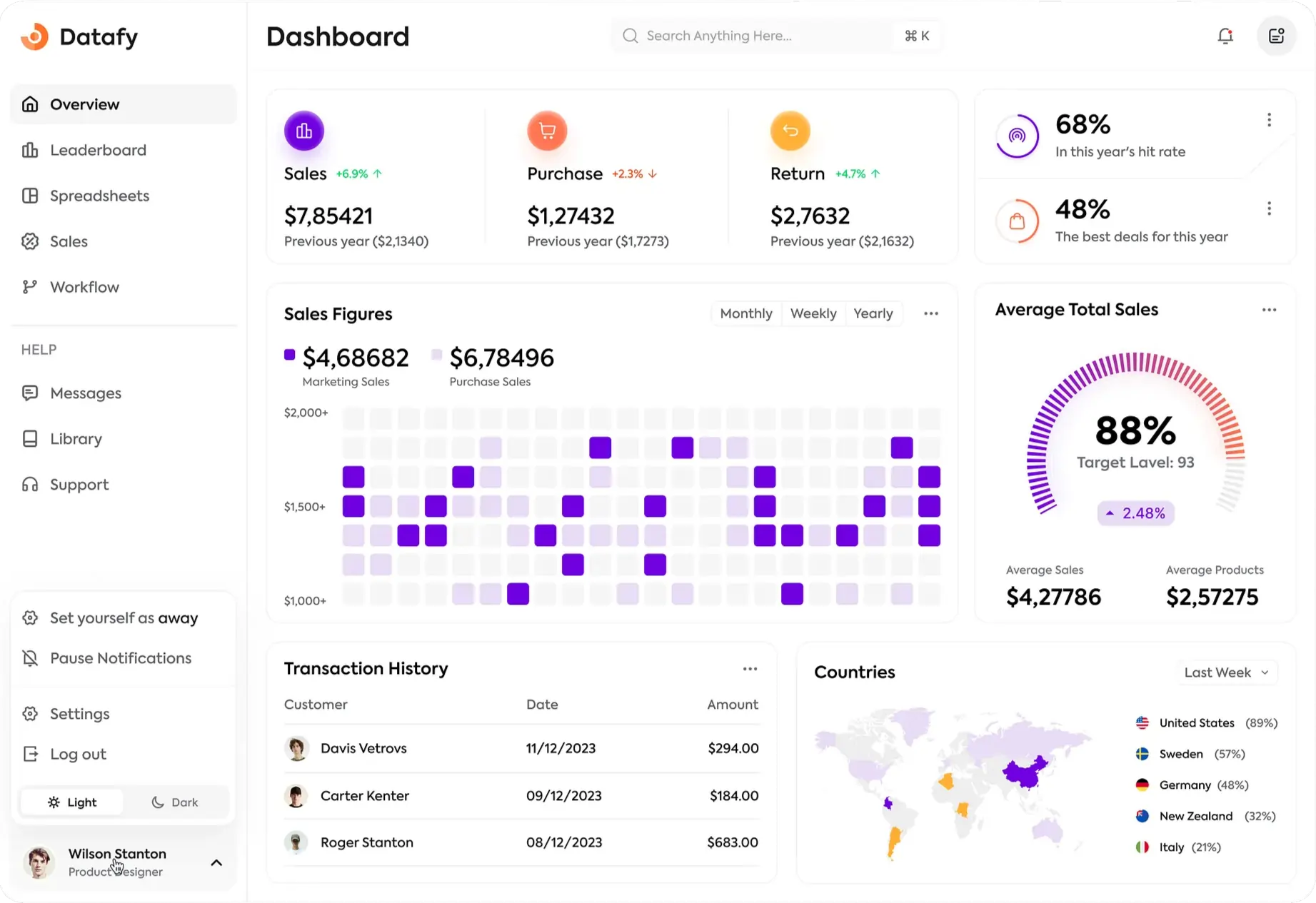
The first visible change is that people stop asking each other for numbers. Sales staff see stock before they promise a date, the warehouse sees which orders are approved, and finance sees invoices as soon as goods leave. Approvals move from chat into the system, where each one is logged. By the first close, the VAT summary comes from posted documents, not from a spreadsheet filter.

  • Sales see live stock before they quote
  • Warehouse works from approved orders only
  • Approvals logged against each document
  • VAT summary built from posted entries
Plan your move →

Swapping Jeddah spreadsheets for one ERP

A practical sequence for a first ERP project

List files

Collect every spreadsheet and tool the team relies on and note who updates each one.

Clean masters

Tidy customer, supplier and item lists so duplicates do not move into the new system.

Pick a date

Choose a month-end to switch, so opening balances come from a closed period.

Load data

Import opening balances, open orders and stock quantities, then check totals against the old files.

Train teams

Show each department only the screens it needs, using its own real documents.

Retire sheets

Lock the old spreadsheets as read-only once the first month closes cleanly in the ERP.

One system for Jeddah businesses

In Jeddah, as across the Kingdom, VAT is 15% and tax invoices must carry the Arabic fields ZATCA requires. FATOORA phase 2 is rolling out in waves, and wave 25 brings in companies whose VAT-subject revenue passed SAR 187,500 in any year between 2022 and 2025, with integration due by 1 February 2027. Spreadsheets cannot meet that requirement, which is one reason many firms make the move now. Symake has delivered for healthcare, hotels, education, FMCG, real estate, manufacturing, retail, and distribution and logistics firms, and the core ERP is the same for each. The weekend is Friday and Saturday, and support hours are planned around it.

15% VAT on every sales and purchase document
Arabic invoice fields and QR code included
FATOORA wave 25 deadline: 1 February 2027
Support hours fitted to the Saudi working week

Moving a Jeddah team onto one database

The software matters less than the change in habits. Symake's consultants fly in from Bengaluru to run workshops with each department in Jeddah, then stay for go-live so questions are answered while people are learning, not weeks later by email.

✓ Workshops held in Jeddah
✓ Training on your own documents
✓ Consultants present at go-live
✓ Remote support after launch
✓ Clean data before migration
✓ Old files kept as read-only
Ask for a demo
Moving a Jeddah team onto one database
200+ Projects Delivered

Ready to retire the spreadsheets in Jeddah?

Send us a list of the files your team uses today and we will map them to ERP screens.

Frequently Asked Questions

How many spreadsheets is too many for a Jeddah company?

There is no fixed number. The trouble starts when the same data is kept in two places and someone has to reconcile them. If that happens every week, an ERP will save more time than it takes to set up.

Can we keep using our accounting package alongside the ERP?

You can during a short transition, but running both for long doubles the work. Symake's ERP includes the full ledger, so most firms move their accounts across at a month-end and keep the old package for reference.

Will our Jeddah warehouse staff find the system hard to use?

Warehouse users see a short list of tasks: receive, move, count and dispatch. Consultants train them with your own items, and handheld scanners can be added where they help.

Does the ERP print the ZATCA QR code on simplified invoices?

Yes. Simplified tax invoices print with the ZATCA QR code and are reported under FATOORA phase 2, and standard tax invoices go through clearance once your wave is live.

What happens to the data in our old spreadsheets?

Opening balances, open invoices, open orders and current stock move across. Older history usually stays in the previous files, which are kept read-only so auditors can still look back.

Can sales staff in Obhur and Al Hamra work from phones?

Yes. The ERP runs in a browser and on mobile, so staff away from the main office can check stock, create quotes and see a customer's balance on the spot.

How do Symake consultants work with a Jeddah team?

Our consultants travel to Jeddah from Bengaluru for discovery workshops, training and the go-live weeks. Between trips, work continues online, and the Indian working day overlaps most of the Saudi one.

Is our data safer once it leaves personal laptops?

Yes. Records sit in one database with user rights and backups, instead of on laptops that can be lost. Personal data is also easier to manage under the Saudi PDPL when it lives in one place.

Call us WhatsApp