










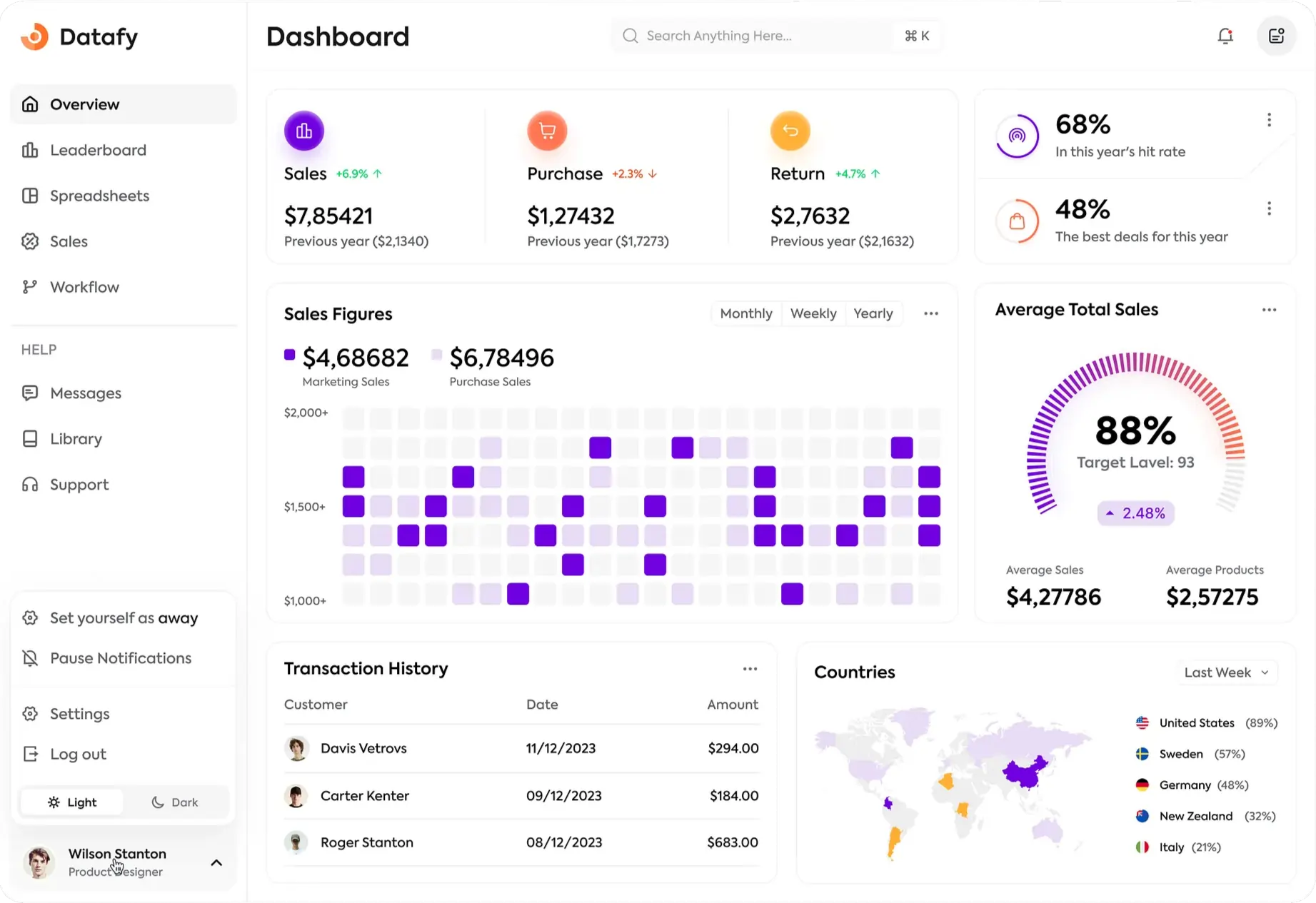
ERP Software in Makkah

ERP Software in Makkah has to cope with sharp seasonal swings, when Ramadan and the Hajj and Umrah seasons multiply orders, staff and cash in a few weeks. Symake's ERP keeps finance, VAT, purchasing, stock and payroll in one database through every peak.

Planning busy seasons with ERP Software in Makkah
200+ Projects Delivered

What you get

  • Last season's figures beside this season's
  • Short-contract staff paid through the same payroll
  • Cash outflows planned before the peak begins

Planning busy seasons with ERP Software in Makkah

Companies in Al Aziziyah, Al Awali and along the King Abdulaziz Road area know that a year in Makkah is not even. Purchasing has to start weeks before Ramadan or the Hajj season, extra staff join on short contracts, and cash goes out long before it comes back in. When those plans live in separate spreadsheets, the finance team only sees the full picture after the season ends. Symake's ERP links purchase orders, stock levels, payroll and receivables, so managers can compare this season with the last one while it is still running. Workshops take place in Jeddah or online, and support is handled remotely from Bengaluru.

Book a Free Demo
0 + Projects Delivered
0 % Client Satisfaction
0 + Years of Experience
0 + Industries Served

Where seasonal swings show up in the books

Nine places a single database helps through the peaks

Advance purchasing

Advance purchasing

Purchase orders raised weeks ahead are tracked against budget, so commitments are visible before suppliers invoice.

Supplier terms

Supplier terms

Payment terms for each supplier sit in the system, helping finance see which bills fall due during the season.

Stock build-up

Stock build-up

Reorder levels can be raised for the peak and lowered afterwards, with the extra stock valued in the ledger.

Temporary contracts

Temporary contracts

Employees on short contracts get start and end dates, so payroll and end-of-service costs come out right.

Cash forecast

Cash forecast

Expected receipts and payments by week show whether the business needs to draw on credit before the busy period.

Daily sales posting

Daily sales posting

Invoices post to the ledger as they are issued, so daily takings and VAT are known without a manual tally.

Season comparison

Season comparison

Reports compare revenue, costs and margin with the same weeks of the previous season, side by side.

Approval limits

Approval limits

Higher purchasing limits can be granted for the season and withdrawn afterwards, with each change logged.

Post-season review

Post-season review

Unsold stock, overtime and unpaid balances are listed at the end, ready for decisions about next year.

Seeing cash before the season, not after
Seeing cash before the season, not after screenshot

Seeing cash before the season, not after

The hardest part of a Makkah peak is rarely sales. It is paying for stock, wages and services weeks before customers pay you. Symake's ERP builds a weekly cash view from open purchase orders, payroll runs and customer balances already in the system. Finance can see the low point coming and decide early whether to delay a purchase, collect faster or arrange credit.

  • Weekly cash view from live records
  • Payroll costs included before they run
  • Open supplier orders counted as commitments
  • Overdue customers flagged for follow-up
View the cash report →

A season cycle in one Makkah ledger

How a typical year runs once everything is in the ERP

Review last year

Pull last season's sales, purchases and staffing to set this year's budget.

Commit early

Raise purchase orders and staff contracts with approval limits set for the season.

Watch cash

Track weekly receipts and payments against the plan as the peak approaches.

Run the peak

Invoice, receive and pay inside the system so the ledger stays current every day.

Close contracts

End temporary contracts, settle final pay and bring reorder levels back down.

Learn and adjust

Compare actual results with budget and note what to change next season.

One system for Makkah businesses

Firms in Makkah work under the national Saudi tax rules: 15% VAT collected for ZATCA, tax invoices with the required Arabic fields, and FATOORA phase 2 rolling out in waves. Wave 25 covers firms whose VAT-subject revenue went above SAR 187,500 in any one year from 2022 to 2025, and they must be integrated by 1 February 2027. A seasonal business can cross that line in a single strong year. Symake's ERP is in use in FMCG, education, hotels, retail, real estate, distribution and logistics, healthcare and manufacturing, so the same core handles very different calendars. Because non-Muslims cannot enter Makkah, Symake holds workshops in Jeddah or online.

One strong year can trigger FATOORA wave 25
Integration needed by 1 February 2027
Makkah teams trained in Jeddah or over video
Remote support through every season

Built to handle a year that is not even

A flat monthly budget does not fit a Makkah business. Symake's ERP lets you plan by season, set temporary limits and compare like with like, so decisions in the busy weeks rest on current figures rather than memory.

✓ Seasonal budgets and reorder levels
✓ Temporary approval limits
✓ Short-contract payroll
✓ Weekly cash forecast
✓ Season-on-season reports
✓ FATOORA-ready invoicing
Plan your season
Built to handle a year that is not even
Built for GCC Business

Prepare your Makkah books for the next peak

Book an online session and we will walk through a full season cycle using sample figures.

Frequently Asked Questions

Where are workshops held for Makkah companies?

Non-Muslims cannot enter the city, so Symake runs workshops and training in Jeddah or online. Your team can join from its own office, and day-to-day support is handled remotely from Bengaluru.

How does the ERP handle staff hired only for the season?

Each contract carries start and end dates, pay terms and allowances. Payroll includes those staff while they are active, and end-of-service amounts are worked out when the contract closes.

Can we set different reorder levels for the peak?

Yes. Reorder levels and preferred suppliers can be changed by date range, so the system suggests larger orders before the busy weeks and smaller ones afterwards.

Will invoicing keep up on the busiest days in Makkah?

Invoices are created in the system and reported to ZATCA as they are issued. Simplified invoices print with the QR code, so counter staff do not wait on a separate tool.

We crossed SAR 187,500 only in 2024. Are we in wave 25?

Yes. Wave 25 applies when VAT-subject revenue went above SAR 187,500 in any single year from 2022 to 2025, so one year is enough. Your FATOORA link must then be live by 1 February 2027.

Can the owner see figures from home during the season?

Yes. The ERP runs in a browser and on phones, so owners can check sales, cash and stock at any hour, with access limited to what their role allows.

How do we compare seasons that fall in different months?

Reports can be run for any date range, so you can set this year's peak weeks against last year's even when they sit in different months of the Gregorian calendar.

Which customer payment methods can the ERP record?

Receipts by mada debit card, credit card, Apple Pay, bank transfer or cash are recorded against the invoice, so each customer balance and the bank reconciliation stay up to date.

Call us WhatsApp