









Manufacturing Software in Abu Dhabi

Manufacturing Software in Abu Dhabi covers several kinds of system, and most plants should not buy them all at once. This guide helps owners in KEZAD, ICAD and Mussafah decide what comes first and what can wait.

Picking the first Manufacturing Software in Abu Dhabi
200+ Projects Delivered

What you get

  • Start with orders, stock, production and accounts
  • Add quality and maintenance modules when ready
  • One database, so no interfaces to maintain later

Picking the first Manufacturing Software in Abu Dhabi

Abu Dhabi's production base is spread across Khalifa Economic Zones Abu Dhabi, including KIZAD, the Industrial City of Abu Dhabi and the workshops of Mussafah, with more units in Al Ain. Many of these plants still run on an accounting package, a stock spreadsheet and a planner's whiteboard. The usual first step is a single ERP that ties orders, purchasing, stock, production and accounts together, because every later tool needs that data. Floor recording, quality and machine maintenance can follow once item codes and bills of materials are clean. Symake's manufacturing system covers all of these in one database, so you can switch modules on in stages rather than buying new products each year.

Book a Free Demo
0 + Projects Delivered
0 % Client Satisfaction
0 + Years of Experience
0 + Industries Served

The system types a plant owner should know

What each one does and when an Abu Dhabi plant needs it

ERP core

ERP core

Sales, purchasing, stock, production orders and accounts in one place. Without it, every other tool works from guesses.

Floor execution

Floor execution

Operators record start, finish, output and scrap against each job. Worth adding once the ERP holds accurate routings.

Planning tools

Planning tools

Turns open orders and stock into purchase and production suggestions. Only as good as the lead times and BOMs you keep.

Quality module

Quality module

Inspection plans at receipt, in process and before dispatch, with results stored against each lot for later review.

Machine maintenance

Machine maintenance

Preventive schedules, breakdown requests and spare parts history for presses, mixers, lines and other equipment.

Costing engine

Costing engine

Standard and actual cost per product, so you know which items earn money. It depends on every module above being used.

E-invoicing output

E-invoicing output

Structured invoice data for the UAE scheme from 2027. Ask how each vendor produces it rather than assuming it is included.

Live dashboards

Live dashboards

Summaries drawn from live transactions. A good test: can the vendor show where each number comes from in two clicks?

Multi-company books

Multi-company books

Groups with a KIZAD company and a mainland company need separate ledgers that still share items and BOMs.

Why the ERP usually comes before anything else
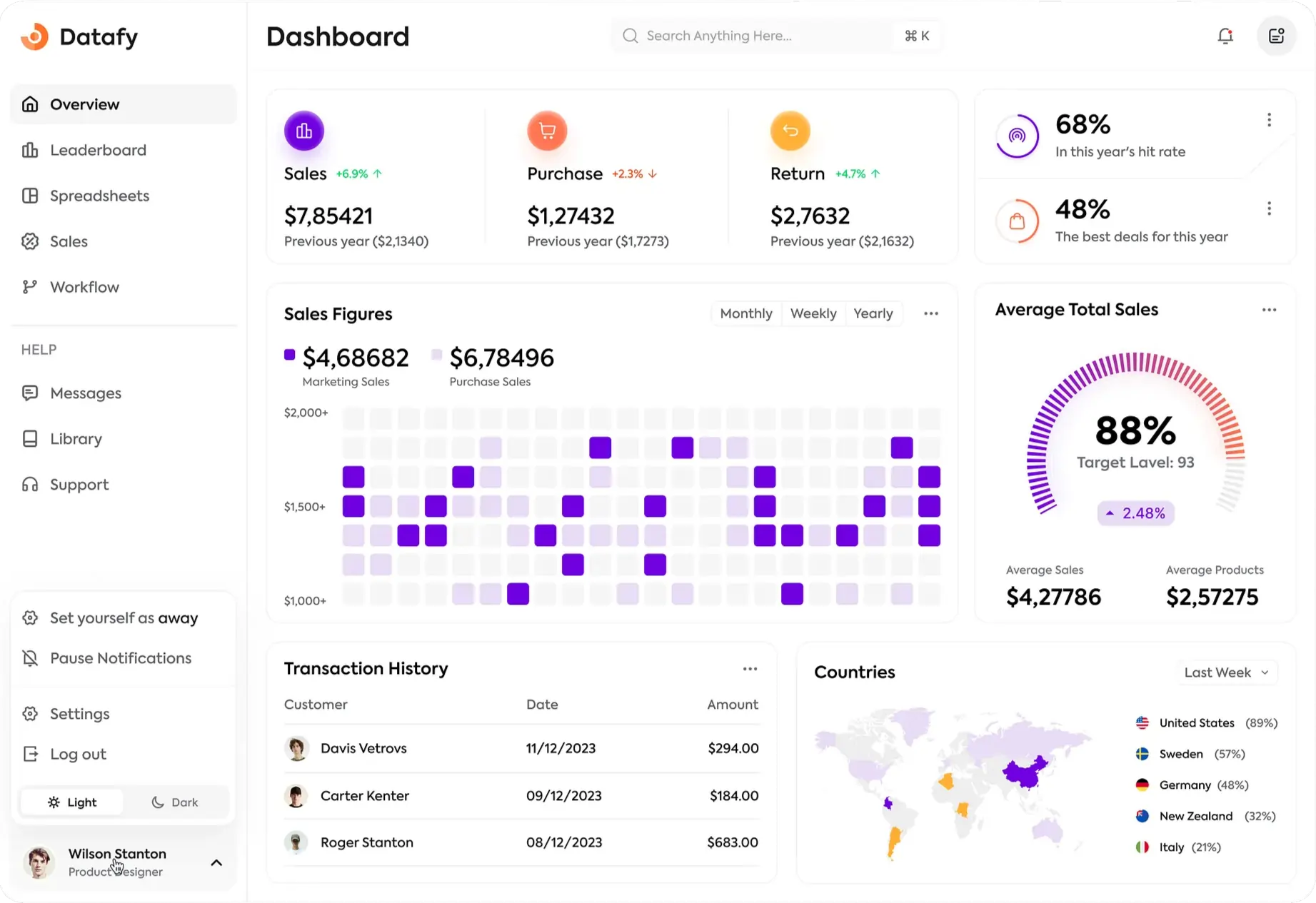
Why the ERP usually comes before anything else screenshot

Why the ERP usually comes before anything else

A floor tracking tool needs job numbers. A planning tool needs stock balances and lead times. A quality tool needs lot numbers from goods receipt. All of that lives in the ERP. Abu Dhabi plants that buy a specialist tool first often end up typing the same data twice, then paying for an interface. Starting with the core and adding the rest in phases keeps one set of codes and one version of the truth.

  • Item codes and BOMs set up once
  • Lot numbers created at goods receipt
  • Job numbers shared by every module
  • No interface to maintain between tools
Plan my first phase →

A phased route for an Abu Dhabi plant

How most owners spread the work over several stages

Map today

List every spreadsheet, form and package in use, and who keeps each one up to date.

Clean codes

Agree one item code per product and material, and retire duplicates before any system is chosen.

Core live

Orders, purchasing, stock, production orders and accounts go live together on one date.

Floor next

Once routings are trusted, operators begin recording output and scrap against each job.

Quality, maintenance

Inspection plans and machine schedules are added, using the lot and asset data already held.

Review costs

After a few closes, compare standard and actual cost per product and adjust where they differ.

Choosing systems for Abu Dhabi manufacturers

Any system you choose for an Abu Dhabi plant must handle UAE VAT at 5% with returns to the FTA, and corporate tax at 9% means product margins and fixed asset records should be clean. E-invoicing starts on 1 January 2027 for businesses with revenue of AED 50 million or more and on 1 July 2027 for the rest, so ask every vendor how invoices will reach an accredited provider. Groups with a KIZAD company and a mainland company need separate VAT records per entity. The UAE weekend is Saturday-Sunday, and Symake's support hours from Bengaluru cover most of the Abu Dhabi working day.

VAT at 5% with returns filed to the FTA
E-invoice dates: January or July 2027 by revenue
Separate tax records for each licensed company
Corporate tax at 9% needs clean margin data

What Symake's manufacturing system brings to Abu Dhabi

One system with sales, purchasing with landed cost, multi-warehouse stock, BOMs, routings, production orders, quality, maintenance, costing and accounts. Consultants fly in from Bengaluru for workshops and go-live; daily support is remote and in English.

✓ Modules switched on in phases
✓ Lot and serial tracking from receipt
✓ Standard and actual costing
✓ UAE VAT and e-invoice output
✓ Multi-company, multi-currency books
✓ Consultants on site for go-live
See the modules
What Symake's manufacturing system brings to Abu Dhabi
Built for Manufacturing

Decide your first system for Abu Dhabi

Send us a list of the tools you use now and we will suggest what to replace first.

Frequently Asked Questions

Should an Abu Dhabi plant buy an ERP or a floor tracking tool first?

In most cases the ERP. Floor tracking, planning and quality tools all depend on item codes, BOMs and job numbers that the ERP holds. Buying the floor tool first usually means keying data twice.

Do KIZAD and Mussafah sites need separate systems?

No. One installation can hold several companies and warehouses. Each licensed entity keeps its own ledger and VAT records, while items and BOMs are shared where that makes sense.

Can Symake's consultants work on site in Abu Dhabi?

Yes. They fly in for workshops, training sessions and go-live. Consultants travel from Bengaluru, where Symake is headquartered. Day-to-day support is remote, in English, during hours that overlap most of the UAE working day.

How should we handle the 2027 e-invoicing dates?

Find out which date applies: 1 January 2027 if revenue is AED 50 million or more, otherwise 1 July 2027. Then ask each vendor to show structured invoice output and how it reaches your accredited provider.

Is a cloud system sensible for a plant with a weak connection?

Ask how the vendor handles outages and whether key screens work on a mobile connection. Symake can run in the cloud or on your own server; choose based on connectivity and who will manage backups.

Which factors push the total cost of a system up?

The number of users and modules, how much data you migrate, how many companies and sites you run, custom reports and training days. Asking each vendor for a breakdown on the same basis makes quotes comparable.

Can an Al Ain workshop share the system with an Abu Dhabi head office?

Yes. Al Ain can be set up as another warehouse or company in the same installation, with its own stock and production orders, while head office sees consolidated figures.

Do we need clean data before talking to vendors?

Not perfectly clean, but a clear item list, current BOMs for your main products and a recent stock count make demos far more useful and quotes more accurate.

Call us WhatsApp