








Manufacturing Software in Jeddah

Manufacturing Software in Jeddah should be judged on your own data, not on a polished slide deck. Use these questions to test vendors on imports, costing, ZATCA output and support before plants in the city's industrial zones commit.

Testing Manufacturing Software in Jeddah against real work
200+ Projects Delivered

What you get

  • Give every vendor the same sample order to run
  • Check landed cost on one imported lot
  • Ask for a cleared invoice made from your data

Testing Manufacturing Software in Jeddah against real work

Jeddah plants often import raw material through the port, assemble or process it in the 1st, 2nd or 3rd Industrial City and sell across the Western Region. Some groups also run a site near King Abdullah Economic City to the north. That mix puts pressure on three areas any vendor must handle: landed cost on imported lots, stock across several warehouses and invoices that pass ZATCA clearance. A good selection process gives every vendor the same sample order and asks each one to process it end to end. Symake's manufacturing system is happy to be tested this way, and our consultants travel from Bengaluru to Jeddah for the workshop and the go-live.

Book a Free Demo
0 + Projects Delivered
0 % Client Satisfaction
0 + Years of Experience
0 + Industries Served

Nine questions to put to every vendor

Ask them in writing and score the answers side by side

Who builds it?

Who builds it?

Ask whether the team that sold you the system will configure it, or whether the work is passed to a partner you have never met.

Where is support?

Where is support?

Find out which hours support covers and how they overlap your Saturday to Thursday week. Ask for a named contact, not only a ticket queue.

How is cost calculated?

How is cost calculated?

Ask to see standard and actual cost for one product, and how freight and duty spread across imported material on a landed cost entry.

Can we keep history?

Can we keep history?

Ask how many years of open balances, item history and customer statements they will migrate, and in what format they need your files.

What about clearance?

What about clearance?

Ask the vendor to clear a B2B invoice with ZATCA in the demo and show the QR code on the printed copy, using your customer name.

How do upgrades work?

How do upgrades work?

Ask who tests a new version against your setup, how often upgrades arrive and whether your own changes survive each one.

Who owns the data?

Who owns the data?

Ask how you export everything if you leave, in what format, and whether the export costs extra. A clear answer shows confidence.

What is not included?

What is not included?

Ask for a written list of exclusions: integrations, extra companies, report changes, travel. Surprises usually hide in this list.

Similar sites done?

Similar sites done?

Ask for examples of similar plant setups, with the processes involved, even when names are withheld for confidentiality.

Warning signs to notice during a demo
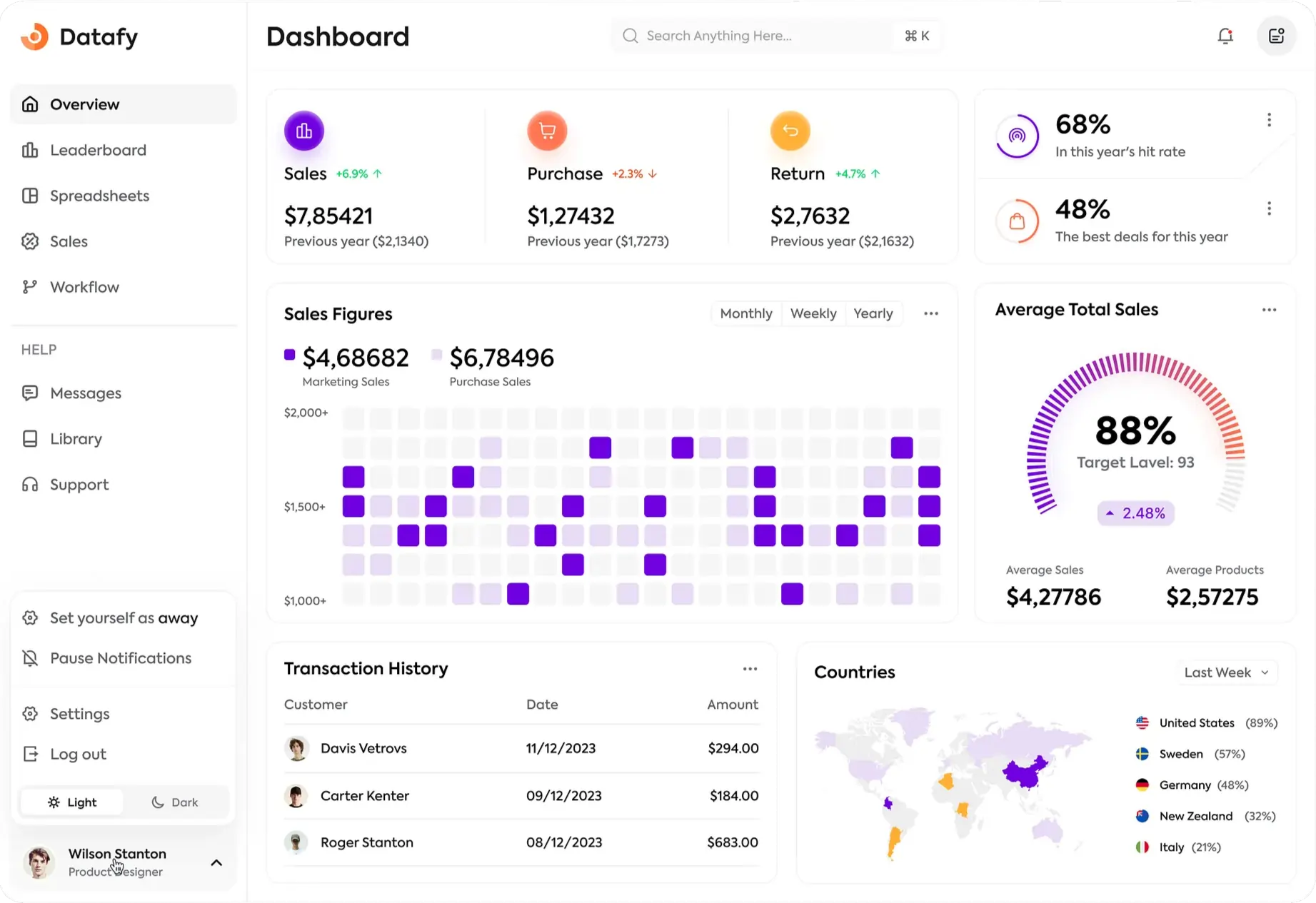
Warning signs to notice during a demo screenshot

Warning signs to notice during a demo

A demo is a sales tool, so watch what it avoids. If the presenter uses only pre-built data, cannot change a BOM on request or skips the month-end close, ask why. If every question about tax output becomes a later phase, treat that as a gap. Symake runs demos on a sample you send us, and the presenter lets your finance and plant leads drive the screens themselves.

  • Demo data that never changes on request
  • Tax output always pushed to a later phase
  • No month-end close shown at any point
  • Presenter who will not hand over the mouse
Book a scripted demo →

A selection timeline for Jeddah plants

Steps a buyer can follow before signing anything

Agree goals

Owner, finance and plant heads agree what must improve, such as cost accuracy or faster month-end close.

Gather samples

Pull one imported purchase, one BOM, one sales order and one stock report to share with vendors.

Write a script

Turn the samples into a demo script that every vendor must follow in the same order and time.

Score demos

Score each vendor on the script, with plant and finance staff marking separately before they compare.

Check scope

Ask the finalist to visit the Jeddah site and write up the scope, exclusions and timeline in plain terms.

Start small

Go live first on one warehouse or line, then extend once the first close has been checked.

Choosing systems for Jeddah manufacturers

Jeddah manufacturers invoice under ZATCA rules with VAT at 15%. FATOORA phase 2 arrives in waves, and wave 25 covers VAT-subject revenue above SAR 187,500 in any year between 2022 and 2025, with integration required by 1 February 2027. When comparing vendors, ask how each one connects to the clearance service, who renews the device certificates and what happens to an invoice if the connection drops. Imported raw material also brings input VAT on the customs side, so the purchase screens need to record it cleanly. Every tax invoice should print the Arabic fields ZATCA requires.

Who connects and renews the clearance link
What happens to invoices if the link drops
Input VAT on imports recorded on purchases
ZATCA Arabic fields shown on every printed tax copy

How Symake's system answers those questions

We configure what we sell, from Bengaluru, with consultants on site in Jeddah for workshops and go-live. Support hours overlap your working week, and your data can be exported in standard formats whenever you ask.

✓ Landed cost on every import receipt
✓ Lots tracked from port to finished item
✓ FATOORA phase 2 clearance built in
✓ Full data export in open formats
✓ Upgrades tested against your setup
✓ Named consultant after go-live
Ask your questions
How Symake's system answers those questions
Built for Manufacturing

Send Jeddah vendors the same test

Share a sample order and BOM. We will run it live in Symake's system so you can compare.

Frequently Asked Questions

Can a vendor test be run with our KAEC site included?

Yes. Add a second warehouse or company for the King Abdullah Economic City site to your sample, and ask each vendor to move stock between the two. It shows quickly whether inter-site transfers are handled properly.

Will Symake consultants come to the 3rd Industrial City?

Yes. Consultants fly from Bengaluru to Jeddah for process workshops, training and go-live, and they visit the plant itself. Day-to-day support afterwards is remote, in hours that overlap the Saudi week.

How do we score vendors fairly?

Use one demo script for everyone, with the same sample data and time limit. Have plant and finance staff score separately on a simple scale, then compare. Price comes last, once fit is clear.

Should we choose a cloud system or host it ourselves?

Cloud removes server care and suits groups with several sites. Hosting on your own server suits firms with strict internal policies. Symake's system runs either way; the choice can be revisited later.

What if a vendor says ZATCA is handled by a separate add-on?

Ask who maintains that add-on, who pays for it and what happens when ZATCA changes a rule. In Symake's system, phase 2 output is part of the core, not a bolt-on from a third party.

How much history should we migrate?

Most plants bring open balances, open orders, item masters and one or two years of sales history. Older years can stay in an archive you can still open for audits.

Do imported lots keep the supplier's batch number?

Yes. The supplier lot can be stored on the receipt alongside your own lot number, so a question from a buyer or an inspector can be traced back to the original shipment.

Could our Jeddah planners be trained in Arabic?

No. Every training session is delivered in English. Invoices still carry the Arabic fields ZATCA requires, and item descriptions can hold Arabic text for printing on documents.

Call us WhatsApp