









Production Management Software for Manufacturers in Salalah

Production Management Software for Manufacturers in Salalah works back from the date goods must leave, whether by vessel from Salalah Port or by road north, so plants at Raysut Industrial Estate and the Salalah Free Zone plan materials and output around real departure dates.

Production Management Software for Manufacturers in Salalah: a guide
200+ Projects Delivered

What you get

  • Schedules worked back from departure dates
  • Orders grouped by the vessel or truck they use
  • Free zone entities with separate books

Production Management Software for Manufacturers in Salalah: a guide

Many Salalah producers sell to buyers far away, in Muscat, across the region or overseas, so the date that matters is when goods leave Dhofar. Symake's planning tool can work back from a sailing date at Salalah Port or a truck departure, then schedule production and material so the order is packed in time. A plant at Raysut Industrial Estate can see which orders share a vessel and group them into one run. Firms in the Salalah Free Zone keep their own books and can still use the same planning logic. The Khareef season, roughly June to September, brings a large visitor peak to the region, so consultant visits are booked well ahead.

Book a Free Demo
0 + Projects Delivered
0 % Client Satisfaction
0 + Years of Experience
0 + Industries Served

Planning features for Salalah exporters

Built around the date the goods leave Dhofar

Departure dates

Departure dates

Each order can carry a ship-by date tied to a vessel or truck, and the plan works back from it.

Backward scheduling

Backward scheduling

Operations are placed as late as safely possible before departure, which keeps stock and cash lower.

Order grouping

Order grouping

Orders leaving on the same vessel can be combined into one production run where items match.

Transit lead time

Transit lead time

Road or sea transit to each buyer is added, so the promised arrival date is one the plant can meet.

Packing step

Packing step

Packing and loading appear as the final steps in the routing, each with its own time and labour.

Material plan

Material plan

Inputs are netted against stock and open orders, with purchase suggestions dated to the run.

Subcontract steps

Subcontract steps

Work sent to outside partners in Dhofar is planned with a return date that falls before departure.

Lot records

Lot records

Each run records its input lots and finished lot numbers, which travel with the shipping documents.

Missed sailing alert

Missed sailing alert

If a run slips past its vessel date, the planner sees the next option and the affected buyers.

Working back from a Salalah Port sailing
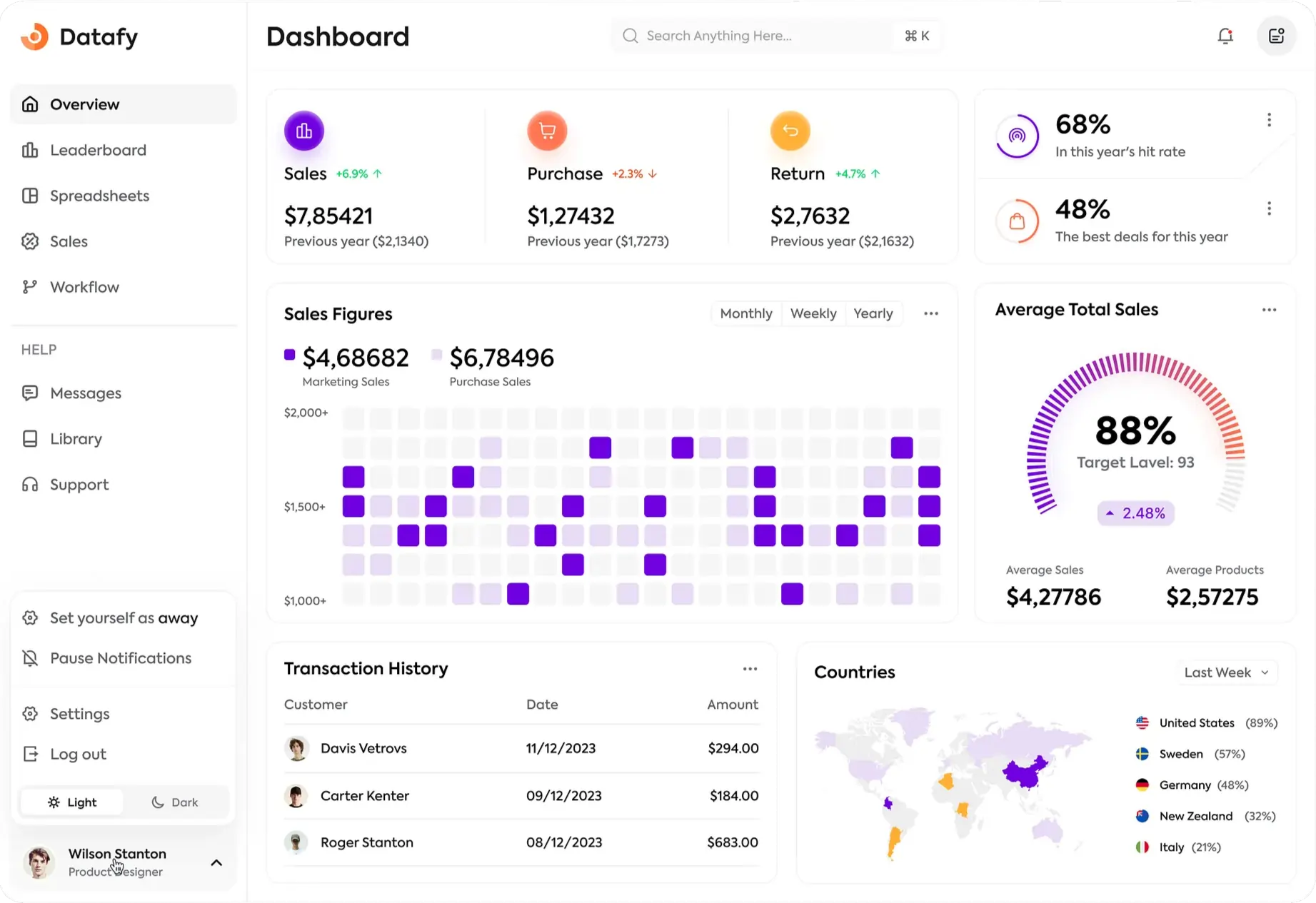
Working back from a Salalah Port sailing screenshot

Working back from a Salalah Port sailing

The buyer's order is linked to a vessel leaving Salalah Port on a set date. The planner enters that date, and the tool schedules packing, final assembly and earlier steps backwards from it. Material needed for each step gets a dated purchase suggestion. If any step cannot fit, the plan shows the next sailing and how the buyer's arrival date would change, before anyone makes a promise.

  • Ship-by date entered on the order
  • Steps scheduled backwards from it
  • Inputs dated to each operation
  • Next sailing shown if a step slips
See backward planning →

How we start with Salalah plants

Six steps, with visits planned around the Khareef season

Order review

We study how orders, sailings and truck departures are matched to production today.

Routing setup

Routings gain packing and loading steps, plus transit times to your main buyers.

Site visit

Consultants fly to Salalah for workshops, booked early when the Khareef season is near.

Trial run

Orders for one vessel are planned in the new system while the old method continues.

Team training

Planners, buyers and dispatch staff learn their screens in English, on site or online.

Go-live

All orders move to the new plan, with remote support hours that overlap your week.

Production planning for Salalah plants

Salalah manufacturers charge VAT at 5%, in place since April 2021 under the Oman Tax Authority. Businesses in the Salalah Free Zone can be set up as separate companies in Symake, each with its own VAT treatment and documents. Fawtara, Oman's e-invoicing programme, opened with a pilot for a first group of large taxpayers that was planned from August 2026, and later phases are planned for early 2027 and mid to late 2027. Invoices are kept as structured data, so e-invoicing output can be switched on when a phase applies. Raysut Industrial Estate is one of the estates run by Madayn.

VAT at 5% on domestic sales and purchases
Free zone companies with their own setup
Fawtara output ready as phases apply
Structured invoices for e-invoicing

Why Salalah plants plan from the departure date

Finishing early fills the warehouse; finishing late misses the vessel. Symake's planning tool aims every run at the date the goods must leave, so stock stays lean and buyers get what they were promised.

✓ Backward scheduling from ship-by dates
✓ Runs grouped by vessel
✓ Transit time in every promise
✓ Packing as a planned step
✓ Lot numbers on shipping documents
✓ Missed sailing alerts
Book a call
Why Salalah plants plan from the departure date
Built for GCC Business

Plan your Salalah runs around the next sailing

Send us a recent export order, and we will plan it backwards from its vessel date with you.

Frequently Asked Questions

Can the plan work back from a vessel date at Salalah Port?

Yes. Each order can carry a ship-by date. The planning tool schedules the last step to finish before it, then places earlier steps backwards, and raises dated purchase suggestions for the inputs each step needs.

How do Khareef visitor peaks affect consultant visits to Salalah?

The Khareef season, roughly June to September, brings a large visitor peak, so travel is busier. Symake books on-site weeks early or holds sessions online during that period, and the project plan allows for it.

Can a Salalah Free Zone company and a Raysut unit share planning?

Yes. They can be set up as two companies with separate books and VAT treatment, while items, routings and planning views are shared. Transfers between them are planned and invoiced between the entities.

What if a run will miss its vessel?

The plan shows the slip as soon as a step falls behind. It also shows the next sailing and the new arrival date, so the planner can speed up the run or tell the buyer early with a revised date.

Can buyers in Muscat get dates that include the road journey?

Yes. Transit time to each buyer can be added to the routing or the customer record. The promised arrival date then includes the drive north as well as production and packing.

Does lot information travel with Salalah export documents?

Finished lot numbers are recorded for each run and can be printed on packing lists and invoices. If a buyer abroad raises a question, the lot traces back to its inputs and supplier batches.

When will Fawtara apply to a Salalah manufacturer?

The Fawtara pilot for a first group of large taxpayers was planned from August 2026, and later phases are planned for 2027. Dates are not final, so we switch on e-invoicing output once your phase is confirmed.

Is training for Salalah staff in Arabic?

Salalah staff are trained and supported in English. Sessions can be run on site in the city or online, and each role learns only the screens it needs, which keeps sessions short for busy planners and dispatch staff.

Call us WhatsApp