









Manufacturing ERP Software in Riyadh

Manufacturing ERP Software in Riyadh for groups that run plants in the Second and Third Industrial Cities and report from a head office in town. Buying, stock, work orders, costing and 15% VAT sit in one system your finance team can trust.

What Manufacturing ERP Software in Riyadh should fix first
200+ Projects Delivered

What you get

  • Plant transactions post to the ledger the same day
  • Batch cost visible before month-end, not after
  • Head office and plants share one item master

What Manufacturing ERP Software in Riyadh should fix first

A typical Riyadh manufacturer keeps its board and finance team in Al Olaya or King Abdullah Financial District while the plants sit out in the Second Industrial City or along the road to Sudair. The gap between those two places is where numbers go missing: purchase prices live with the buyer, scrap figures live with the supervisor, and the true cost of a batch only appears weeks after month-end. A factory ERP closes that gap by posting every receipt, material issue and finished batch straight into the ledger. Symake designs the setup in Bengaluru, then sends consultants to Riyadh for process workshops, user training and go-live. After that, support is remote, during hours that overlap your working week.

Book a Free Demo
0 + Projects Delivered
0 % Client Satisfaction
0 + Years of Experience
0 + Industries Served

Nine modules a Riyadh plant group runs daily

From the first supplier quote to the group profit and loss

Supplier buying

Supplier buying

Request quotes, compare them side by side and turn the winning one into a purchase order with agreed prices and delivery dates.

Raw material stock

Raw material stock

Track every raw material by warehouse and bin, with reorder levels that warn the buyer before a line runs short.

Bills of materials

Bills of materials

Keep multi-level BOMs with versions, so an engineering change reaches the planners and the costing at the same moment.

Work orders

Work orders

Release work orders against confirmed demand, issue materials to them and record output and scrap as each job moves.

Material planning

Material planning

The planning run compares open orders, stock on hand and supplier lead times, then proposes what to buy and when.

Quality checks

Quality checks

Hold incoming lots for inspection, record test results at set stages and stop a failed batch before it is dispatched.

Product costing

Product costing

Roll up material, labour and overhead per item, then compare the standard cost with what each work order really consumed.

VAT invoices

VAT invoices

Sales invoices carry 15% VAT, a QR code and the Arabic fields ZATCA requires, and they reach FATOORA without retyping.

Group reporting

Group reporting

Each company keeps its own books, and the head office sees consolidated sales, margin and cash for the whole group.

One head office, several plants, one set of numbers
One head office, several plants, one set of numbers screenshot

One head office, several plants, one set of numbers

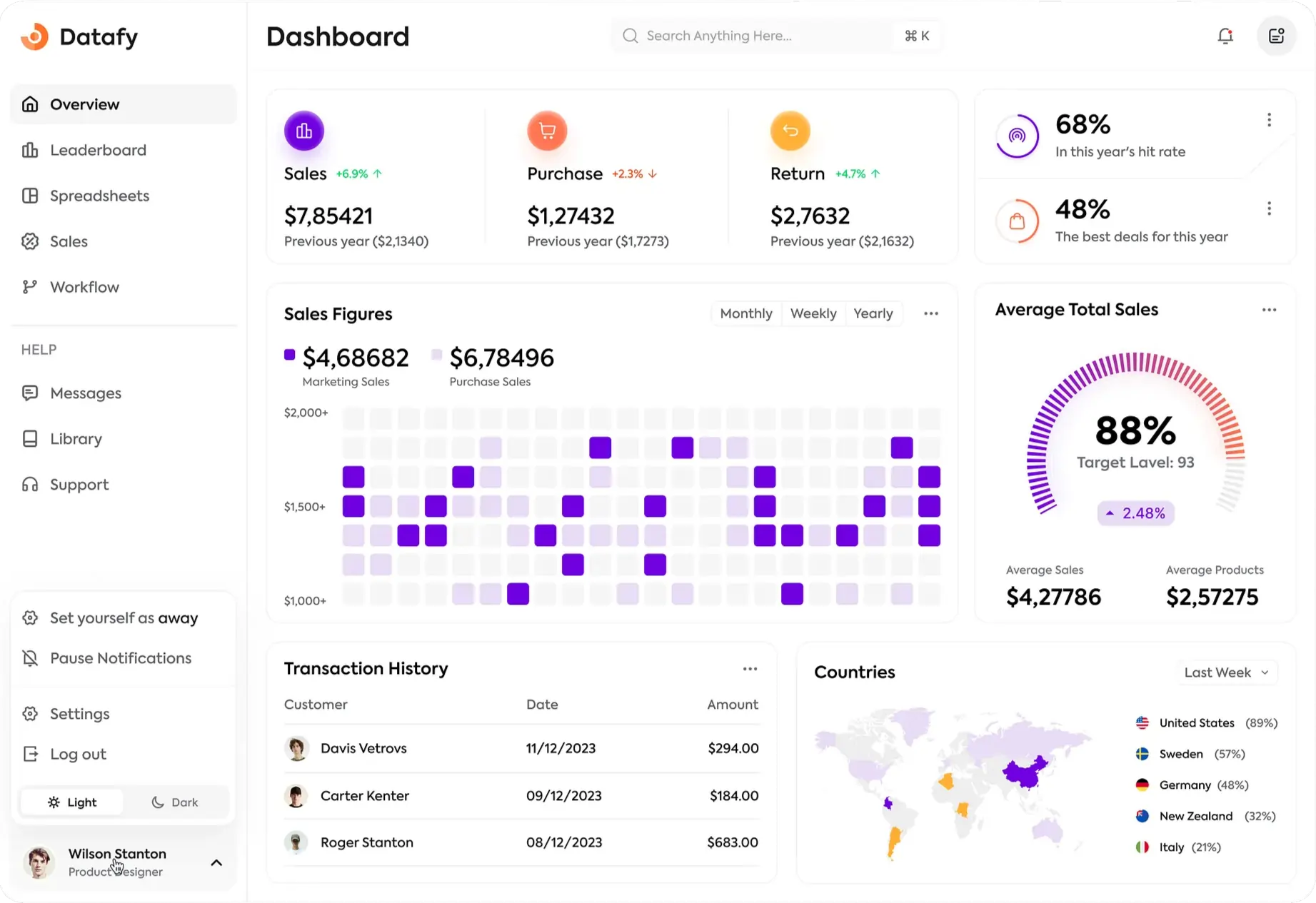
Riyadh groups often hold a separate company for each plant or product line. Symake's ERP gives each company its own ledger, VAT number and bank accounts, while items, suppliers and approval rules can be shared. Stock moving between plants creates matching entries on both sides. The finance director opens one dashboard at the start of the week and sees output, margin and receivables across every entity.

  • A ledger and VAT number for each company
  • Inter-company transfers booked on both sides
  • Shared item and supplier masters
  • Consolidated margin by plant and product
See group setup →

From first workshop to live plants in Riyadh

Six stages, with consultants in Riyadh at the key points

Process review

Consultants walk the plant and the head office to map buying, production and approvals as they run today.

Solution design

We fix the company structure, chart of accounts, item codes and costing method before any configuration.

Build

The Bengaluru team configures the system and loads suppliers, BOMs, routings and opening stock from your files.

Trial runs

Planners and accountants run a full cycle, from purchase order to VAT return, and sign off each result.

Go-live

Consultants fly back to Riyadh to train users and stay through the first week of live work orders.

Close review

After the first month-end we check costs and reports with finance and adjust whatever does not match.

Built for manufacturers in Riyadh

Saudi manufacturers charge 15% VAT under ZATCA and are joining phase 2 of FATOORA e-invoicing in waves. Wave 25 brings in companies whose VAT-subject revenue passed SAR 187,500 in any year from 2022 to 2025, with integration due by 1 February 2027. A phase 2 invoice is a UBL XML file with a cryptographic stamp and QR code; B2B invoices are cleared in real time, while simplified ones are reported within 24 hours. Symake's ERP raises these invoices from the dispatch note itself. Plants on MODON land in Riyadh's industrial cities keep their site records alongside the accounts.

15% VAT on purchases, sales and credit notes
Real-time clearance for invoices to business buyers
Integration planned ahead of 1 February 2027
Arabic invoice fields printed and archived

How to choose an ERP for a Riyadh manufacturer

Start with three questions: how many companies you run, how you cost a product and who must approve a purchase. Ask each vendor to run those flows with your own items. Symake prepares a scripted demo from your data before the first meeting.

✓ Scripted demo using your BOMs
✓ Scope fixed in writing before build
✓ Costing method agreed with finance
✓ Phase 2 invoices tested pre go-live
✓ Separate training for planners
✓ Symake has 200+ projects behind it
Book a scripted demo
How to choose an ERP for a Riyadh manufacturer
Built for Manufacturing

Plan the ERP for your Riyadh plants with Symake

Send us your company structure and plant list, and we will propose a scope, a timeline and a first workshop date.

Frequently Asked Questions

Can workshops take place at our plant in the Second Industrial City?

Yes. Consultants fly in from Bengaluru for design workshops, training and go-live, and they can work at your plant or at your Riyadh head office. Between trips the team works remotely and joins calls during your working hours.

We have plants in Riyadh and Sudair. Can one system cover both?

Yes. Each plant becomes its own warehouse and, if needed, its own company. Transfers between them are tracked, and head office reports combine both sites while still showing each plant separately.

Will our invoices be ready before the wave 25 FATOORA date?

We plan the go-live so a wave 25 company is integrated before 1 February 2027. Invoices are produced as UBL XML with the stamp and QR code, B2B ones are cleared and simplified ones are reported.

Which costing methods can a factory ERP use?

Symake's ERP supports standard and actual costing. Many groups set standards for budgeting and then compare them with the actual material, labour and overhead booked on each work order to find variances.

How do purchase approvals work across several companies?

Approval limits are set per company and per user. A buyer at one plant can raise an order, and anything above the limit waits for a manager. Every approval is logged with a date and name.

Do operators need desktop computers to record production?

No. Operators can use tablets beside the line to start and finish operations, log output and scrap, and see work instructions. Supervisors check progress from the same screens.

Is the training delivered in Arabic?

Sessions and the help desk run in English. Sales invoices still carry the Arabic fields that ZATCA requires, so the documents your customers receive meet Saudi rules.

What should we prepare before the first workshop?

A list of your companies, plants, main products and current spreadsheets is enough. Sample BOMs and a recent month of purchase and sales data help us build a realistic demo.

Call us WhatsApp