









Manufacturing ERP Software in Al Wakrah

Manufacturing ERP Software in Al Wakrah for plants that rely on imported materials through Hamad Port. Symake tracks purchase orders, shipments, landed costs, stock, work orders and product cost, so every finished item carries its true input cost.

Manufacturing ERP Software in Al Wakrah and the south
200+ Projects Delivered

What you get

  • Imports tracked from order to receipt
  • Freight and clearing spread into item cost
  • Shipments shown against open work orders

Manufacturing ERP Software in Al Wakrah and the south

Al Wakrah sits between Doha and Mesaieed, a short drive from Hamad Port and Umm Alhoul Free Zone. Groups with offices in Al Wakrah and plants along the Mesaieed road depend on imported raw materials, and a delayed container can stop a line for days. Freight and clearing charges also change the real cost of what you make. Symake's ERP records each import against its purchase order, spreads those charges across the items received, and feeds the result into product costing. Planners see incoming shipments next to open work orders, so they know which jobs are at risk.

Book a Free Demo
0 + Projects Delivered
0 % Client Satisfaction
0 + Years of Experience
0 + Industries Served

Following materials from port to product

How imported inputs move through the ERP

Import orders

Import orders

Purchase orders to overseas suppliers carry currency, payment terms and expected arrival at Hamad Port.

Shipment status

Shipment status

Mark each order as shipped, at port or cleared, so planners know when material will reach the plant.

Landed cost

Landed cost

Add freight and clearing bills to a receipt, and the ERP spreads them across the items on it.

Receiving checks

Receiving checks

Goods are counted and inspected at the gate, and short or damaged quantities are logged against the supplier.

Lot records

Lot records

Each received lot keeps its supplier batch number, so finished goods can be traced back to the import.

Material planning

Material planning

Requirements consider stock, open purchase orders and their arrival dates before suggesting new buys.

Work orders

Work orders

Production releases only when materials are available or reserved, cutting half-finished jobs on the floor.

Outside processors

Outside processors

Material sent to outside processors near Mesaieed or Umm Alhoul stays on your books until it comes back.

Product cost

Product cost

Finished cost includes landed material cost, labour and overhead, so pricing reflects what imports really cost.

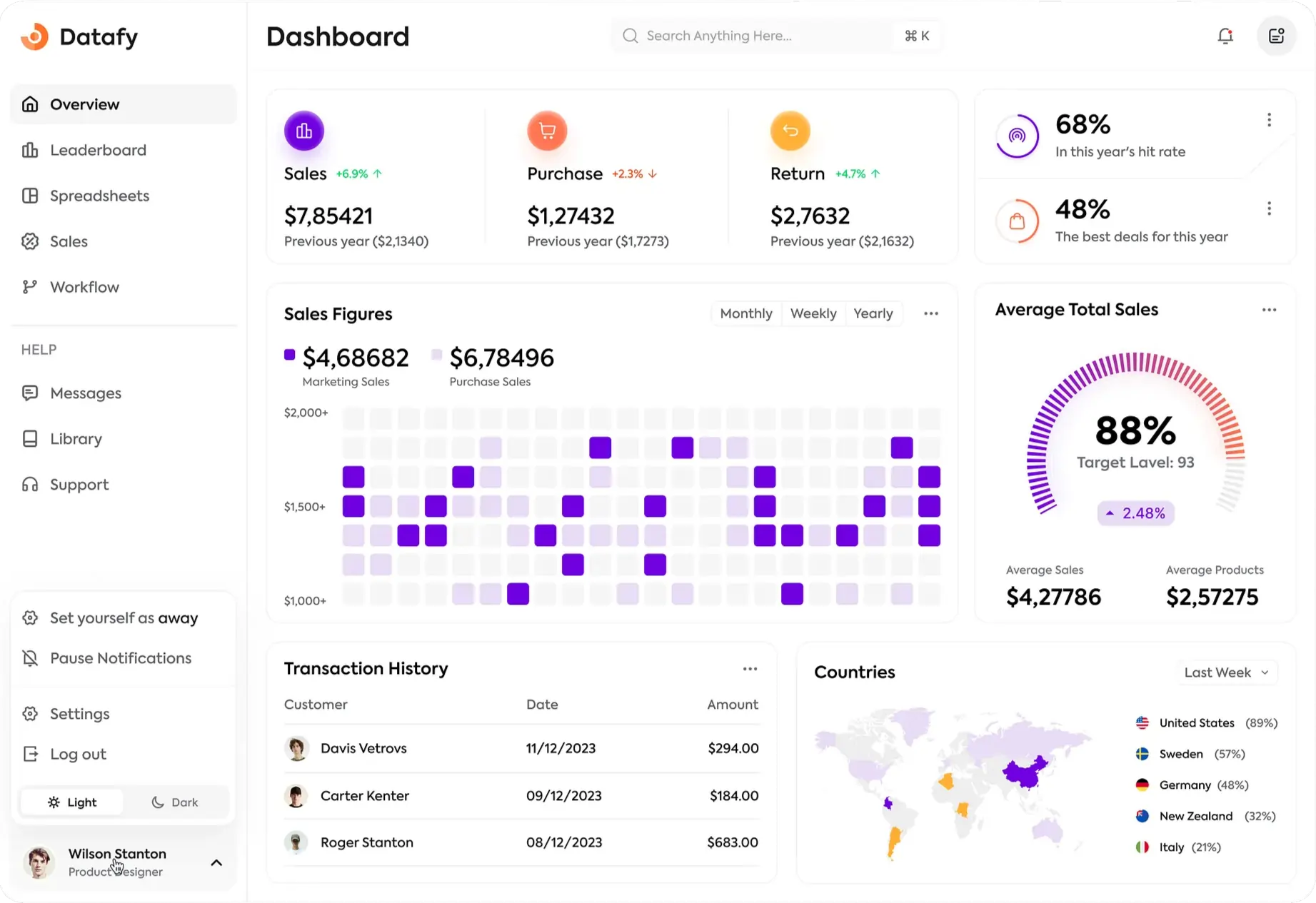
When the container is late, the plan updates
When the container is late, the plan updates screenshot

When the container is late, the plan updates

A plant near Hamad Port often learns about a delay from a phone call. In Symake's ERP, the expected arrival date sits on the purchase order. When a buyer moves that date, material planning shows which work orders depend on the shipment and which customer orders they serve. Planners can reschedule, switch to an alternative item or warn the customer early, rather than discovering the gap on the day production should start.

  • Arrival dates kept on each import order
  • Affected work orders shown at once
  • Customer orders linked to each shortage
  • Alternative items defined on the BOM
See material planning →

Bringing an Al Wakrah plant onto the ERP

Six steps with imports and costing in focus

Import review

We trace a recent shipment from purchase order to supplier payment and note every charge added on the way.

Cost model

Landed cost rules, overhead rates and costing methods are agreed with finance before setup.

Configuration

Suppliers, currencies, warehouses, BOMs and routings are set up and tested with sample receipts.

Data move

Open import orders, stock by lot and opening balances are loaded and reconciled with your records.

Go-live

Consultants come to Qatar for cutover and stay through the first full import and production cycle.

Cost check

After a month, we compare product costs with the old method and explain each difference.

Built for manufacturers in Al Wakrah

Al Wakrah plants work under Qatar's rules, so there is no VAT to charge yet. VAT has been announced as coming, with no date set, and an approved e-invoicing law is waiting for its start dates. Imports still carry their own costs, such as freight and clearing, which the ERP records as part of landed cost. Symake keeps tax off for Qatar entities today and is ready to switch VAT on when Qatar introduces it. Books are kept in QAR terms, while supplier invoices can stay in their own currency.

No VAT on Qatar invoices for now, or yet
VAT can be switched on once introduced
Supplier bills kept in their own currency
Books and product costs reported in QAR terms

An ERP that knows what your inputs cost

For import-heavy plants, product cost is only accurate when freight and clearing charges reach the item. Symake's ERP does this on every receipt, backed by a Bengaluru team with 200+ projects delivered.

✓ Landed cost on every receipt
✓ Multi-currency supplier bills
✓ Lot tracing back to the import
✓ Planning linked to arrival dates
✓ Subcontract stock kept on your books
✓ Quality checks at the gate
Ask about imports
An ERP that knows what your inputs cost
Built for GCC Business

Know the true input cost in Al Wakrah

Send us one recent import and the products it fed, and we will show its landed cost in the ERP.

Frequently Asked Questions

Our plant is near Umm Alhoul Free Zone. Can consultants visit?

Yes. Consultants fly from Bengaluru to Qatar for workshops, training and go-live, and they can work at sites in Al Wakrah, Umm Alhoul or Mesaieed. Routine support is handled remotely.

How does the ERP spread freight and clearing charges?

You add the charge bills to the receipt and choose a basis, such as value, weight or quantity. The ERP shares the charges across the received items and updates their cost before they are issued to production.

Can we pay overseas suppliers in their own currency?

Yes. Purchase orders and supplier bills can be in the supplier's currency, while the books stay in Qatari riyals. Exchange differences are posted when payments are made.

Is VAT added to our Qatar sales yet?

No. Qatar has no VAT law in force yet, so tax stays off for Qatar entities. The ERP is ready to switch VAT on when Qatar introduces it, without a new system.

Can we see which customer orders a late shipment affects?

Yes. Material planning links each import order to the work orders that need it and the customer orders those work orders serve, so a date change shows the full chain.

What is the difference between make-to-stock and make-to-order in the ERP?

Make-to-stock builds against reorder levels or forecasts; make-to-order builds against a confirmed customer order. Both can run in one plant, and planning combines their demand.

Can we trace a finished batch back to its import?

Yes. Each received lot keeps the supplier batch number and import order. Finished lots record which input lots they consumed, so tracing runs in both directions.

Do machines and maintenance fit in the same system?

Yes. Machines have preventive plans by date or running hours, and breakdowns are logged against them. Spare parts are issued from stock to maintenance orders, so upkeep cost is visible per machine.

Call us WhatsApp