








Manufacturing and Production Management Software in Riyadh

Manufacturing and Production Management Software in Riyadh for plants in the Second and Third Industrial Cities: release work orders from the right bill of materials, follow each routing step on tablets and see downtime the moment it starts.

Multi-shift Manufacturing and Production Management Software in Riyadh
200+ Projects Delivered

What you get

  • Live status of every open work order
  • Scrap and stoppages logged at the machine
  • One database for plants across the Riyadh region

Multi-shift Manufacturing and Production Management Software in Riyadh

Many Riyadh plants operate inside the MODON industrial cities, while owners and finance staff work from offices in Al Olaya or King Abdullah Financial District. That gap makes it hard to know which job is running right now and which one is waiting for material. Symake's system puts every work order, its routing and its current operation on one screen that both groups read. Supervisors in the Second Industrial City log scrap and stoppages from a tablet, and the office sees the same figures without chasing a daily email. A second plant in Sudair Industrial City can run on the same database with its own work centres.

Book a Free Demo
0 + Projects Delivered
0 % Client Satisfaction
0 + Years of Experience
0 + Industries Served

What supervisors in Riyadh control daily

Nine parts of work order control, from release to closing

Work order release

Work order release

Planners release a job only when the bill of materials, routing and required quantity are confirmed, so the floor never starts on guesses.

Multi-level BOMs

Multi-level BOMs

Sub-assemblies carry their own bills of materials, and the system raises child work orders for them before the parent job needs the parts.

Routings and operations

Routings and operations

Each product follows a defined sequence of operations with set-up and run times, so supervisors know which step comes next.

Work centre loading

Work centre loading

See how many hours are queued at each machine group this week and move a job to an alternative work centre when one is overloaded.

Operator tablets

Operator tablets

Operators start, pause and finish operations on a tablet beside the machine and record good and rejected quantities as they go.

Downtime reasons

Downtime reasons

Every stoppage gets a reason code such as tooling change or no material, which turns vague complaints into a ranked list to fix.

Quality checkpoints

Quality checkpoints

Inspection steps sit inside the routing, so a part cannot move on until the operator or inspector records a pass.

Preventive maintenance

Preventive maintenance

Maintenance plans run on calendar days or machine hours, and the job card appears before the breakdown instead of after it.

Actual cost per job

Actual cost per job

Material issued, labour time and machine hours roll up against the work order, so finance sees the real job cost when it closes.

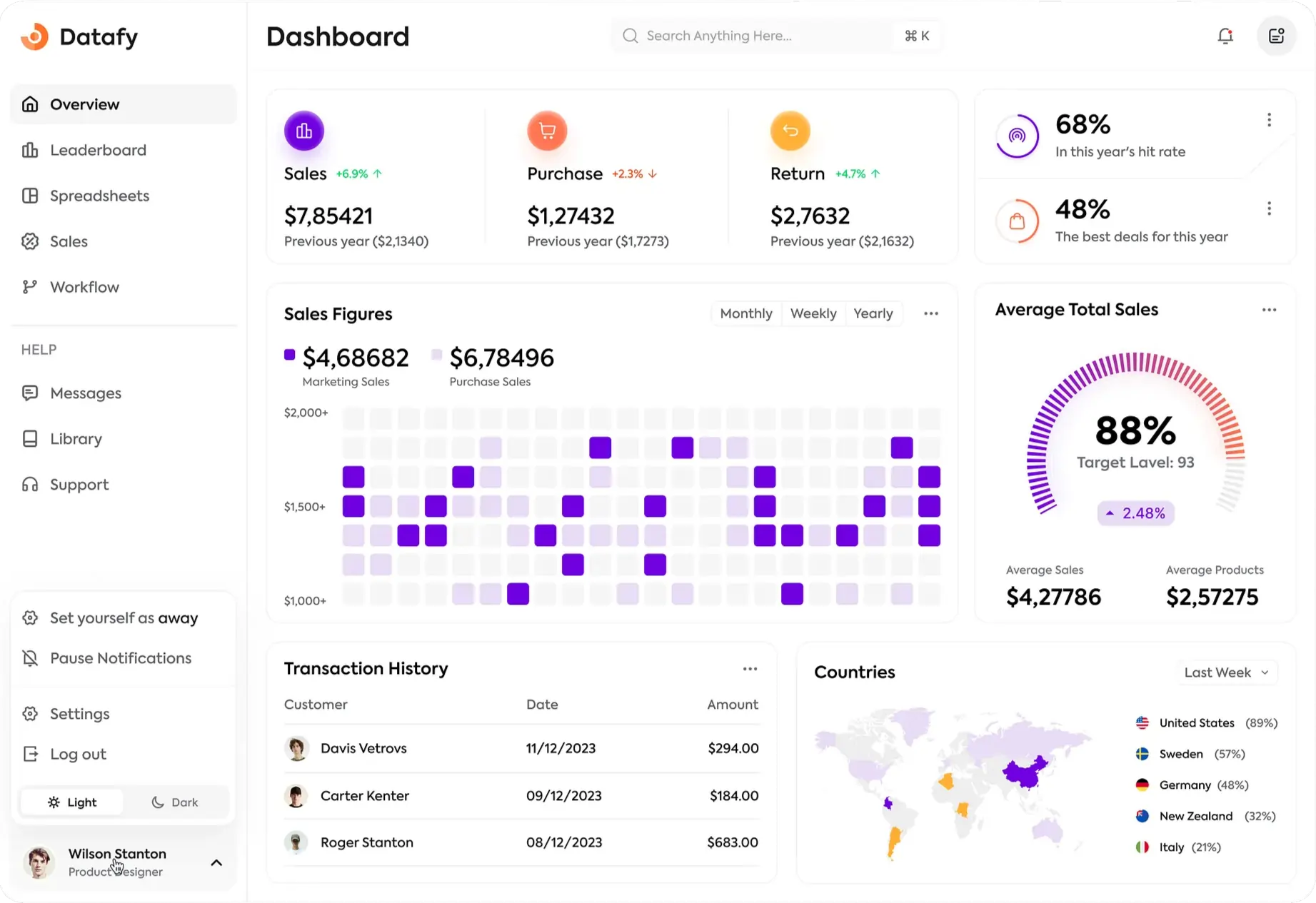
From head office to machine, one view of the floor
From head office to machine, one view of the floor screenshot

From head office to machine, one view of the floor

Riyadh groups often have the production director in one building and the plant in another. Symake's consultants map how a job moves today: who releases it, where material waits, which checks happen and who signs off. We then configure the work centres, routings and checkpoints to match, and train supervisors on the tablets before go-live. The result is a floor view the director can open from a phone at any hour.

  • Routings mapped from your current process
  • Tablets set up at each work centre
  • Supervisor training before go-live week
  • Director dashboard on desktop and phone
Plan a floor review →

Stages of a Riyadh plant rollout

Six stages, with on-site work in Riyadh at the key points

Floor walk

Consultants visit the plant, follow two or three jobs end to end and note where time is lost.

Data setup

Items, bills of materials, routings and work centres are loaded and checked against real jobs.

Tablet pilot

One production line runs on tablets for two weeks while the old paper sheets continue in parallel.

Quality rules

Inspection points, tolerances and rejection reasons are added to the routings that need them.

Go-live

All work centres switch to the system, with a consultant on the floor in Riyadh for the first days.

Remote support

Follow-up comes from Bengaluru during hours that overlap the Saudi working week.

Shop-floor control in Riyadh

Riyadh manufacturers invoice under ZATCA rules, with VAT at 15%. FATOORA phase 2 is rolling out in waves, and wave 25 brings in businesses whose VAT-subject revenue went above SAR 187,500 in any year from 2022 to 2025, with integration due by 1 February 2027. Once a work order is finished and shipped, the sales invoice is created from the delivered quantity. It carries the Arabic fields ZATCA requires and is cleared in real time with a QR code and cryptographic stamp. Plants in MODON industrial cities can keep their industrial city and license details on each company record.

Finished goods invoiced from delivered quantities
Phase 2 clearance with QR code and stamp
Arabic ZATCA fields on each Riyadh invoice
Testing finished before the wave 25 cut-off

Shift-by-shift visibility for Riyadh plants

Night shift output should not be a mystery at the morning meeting. Each shift's completed operations, rejects and stoppages are recorded against the work order, so the morning review starts from facts instead of memory.

✓ Output by shift and work centre
✓ Reject reasons captured per operation
✓ Downtime minutes ranked by cause
✓ Open maintenance jobs per machine
✓ Material issued against each job
✓ Late work orders flagged early
See a shift report
Shift-by-shift visibility for Riyadh plants
Built for Manufacturing

See every Riyadh work order on one screen

Share a typical job and its routing, and we will show it running on tablets in a live session.

Frequently Asked Questions

Can a consultant come to our plant in Riyadh's Second Industrial City?

Yes. Symake consultants fly in from Bengaluru for the floor walk, training and go-live, and plant time is planned around those stages. Day-to-day support after go-live is remote.

Will our Riyadh company's FATOORA phase 2 integration be ready before 1 February 2027?

If you fall in wave 25, invoicing setup is part of the project plan. Invoices raised from completed work orders are cleared with ZATCA in real time and carry the Arabic fields it requires. The timeline is agreed at the start so testing ends ahead of your deadline.

Our second line sits in Sudair Industrial City. Can it share the Riyadh database?

Yes. Each plant gets its own warehouses, work centres and routings, and management can view them together or one at a time. Stock moves between the two with a proper document trail.

Do operators need computer skills to use the tablets?

No. The tablet screen shows the current operation, a start and stop button, and fields for good and rejected quantity. Most operators learn it during a single training session beside their machine.

How are machine breakdowns recorded on the floor?

When a machine stops, the operator picks a reason on the tablet. A maintenance request can be raised from the same screen, and the downtime minutes stay linked to the machine and the affected work order.

Can we keep our existing item codes and bills of materials?

Usually yes. Item codes, bills of materials and routings are imported from spreadsheets or an older system, then checked with your engineers before any work order runs on them.

Do Riyadh operators get Arabic screens?

The tablet screens, training sessions and support desk all work in English. Tax invoices still carry the Arabic fields ZATCA requires. Reason codes can be kept short and familiar so operators pick them quickly.

What happens after go-live in Riyadh?

Support moves to remote, from Bengaluru, during hours that overlap the Saudi working week. Consultants can return to Riyadh for later phases such as adding maintenance plans or a second plant.

Call us WhatsApp