









Manufacturing and Production Management Software in Oman

Manufacturing and Production Management Software in Oman for groups with plants across several Madayn estates: common bills of materials and routings, work orders per site and one view of output, downtime and quality from Muscat to Salalah.

Multi-plant Manufacturing and Production Management Software in Oman
200+ Projects Delivered

What you get

  • One product master shared by every site
  • Plant-level work centres, staff and machines
  • Group view across all Omani governorates

Multi-plant Manufacturing and Production Management Software in Oman

Oman's manufacturers are spread wide. A group might have its main plant at Rusayl, a second line at Nizwa or Sur, and a free zone entity at Sohar, Salalah or Duqm. Running those sites on separate spreadsheets makes it hard to compare output, agree one way of working or share good practice between plant managers. Symake keeps one product master and one set of standard routings, while each plant manages its own work centres, operators and maintenance. Group management in Muscat sees every site side by side, from the Batinah coast to Dhofar, with figures in the same format. Adding a new estate plant later means setting up its work centres, not buying another system.

Book a Free Demo
0 + Projects Delivered
0 % Client Satisfaction
0 + Years of Experience
0 + Industries Served

Multi-plant control across Oman

How a group keeps standards while each plant runs its own floor

Shared product master

Shared product master

Products, components and bills of materials are defined once and used by every plant in the group.

Site routings

Site routings

A product can follow different operations at each plant when equipment differs, under the same item code.

Inter-plant transfers

Inter-plant transfers

Semi-finished goods made in one plant move to another with a transfer document and full lot details.

Plant comparison

Plant comparison

Output, scrap and downtime per unit of work are compared across all sites in a single monthly report.

Central quality rules

Central quality rules

Inspection plans set at group level apply automatically at every plant that makes the product, wherever it is.

Local maintenance teams

Local maintenance teams

Each plant keeps its own equipment register and service schedule, with group-wide visibility.

Entity accounting

Entity accounting

Free zone and estate companies keep separate books while still sharing their production data.

Role-based access

Role-based access

Plant staff see only their own site, while group managers and auditors can open every site in the group.

Consolidated costing

Consolidated costing

Product costs from each plant are compared to see where the same item is made at lower cost.

Share what works between plants
Share what works between plants screenshot

Share what works between plants

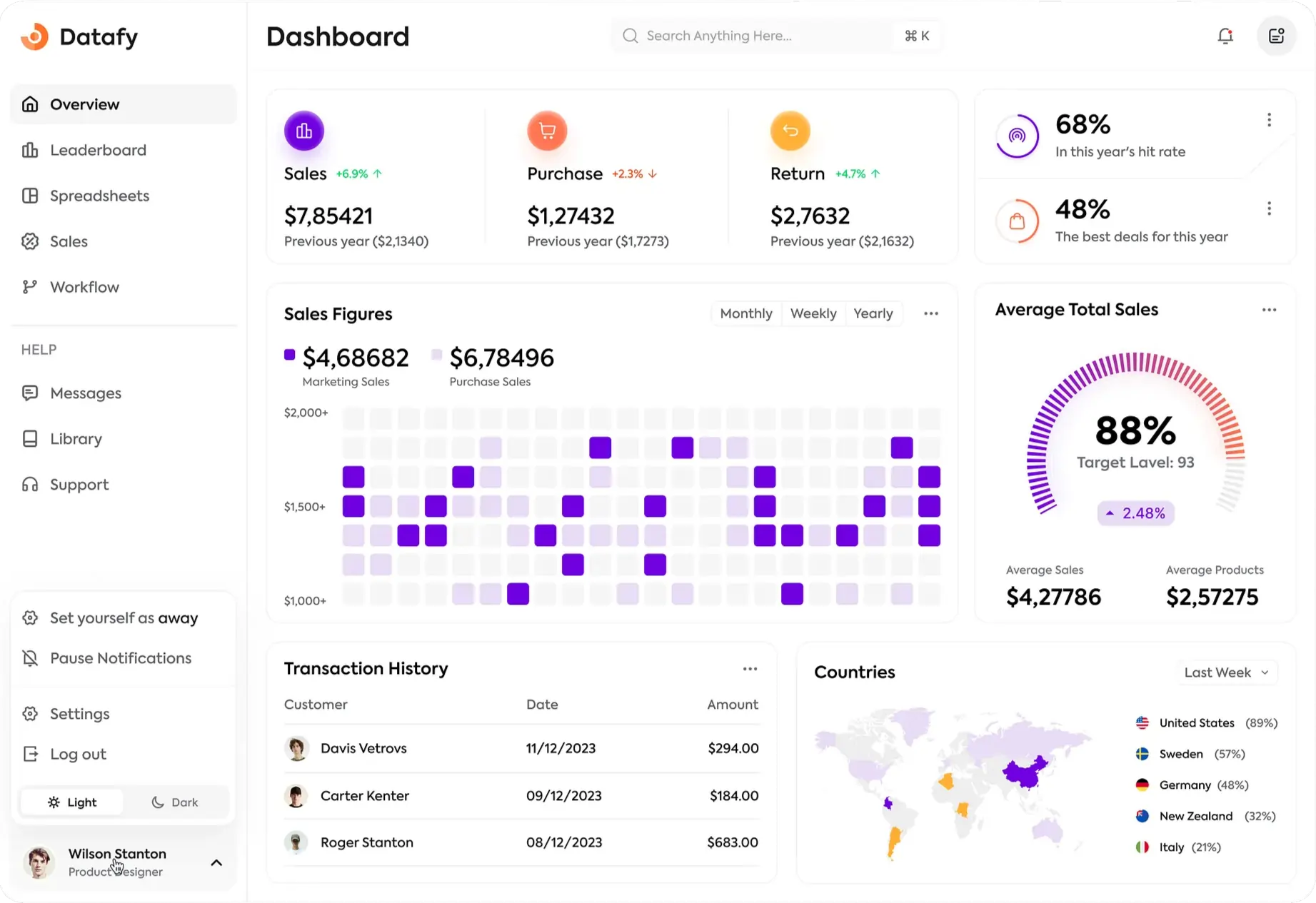
When one plant cuts set-up time on a product, the others should benefit. Symake keeps routings in one central library, so an improved routing at Rusayl can be adopted at Sohar or Nizwa after review. Downtime reasons and quality checks use the same codes everywhere, which makes the group report meaningful instead of a pile of different formats.

  • Central routings with site approval
  • Common downtime codes for every plant
  • Group quality report in one format
  • Improvements copied across sites
See group reporting →

Rolling out across Omani plants

One plant first, then the rest of the group in turn

Group design

Standards for codes, routings and quality are agreed with group management and plant leads.

Pilot plant

One plant goes live first, usually the main site, so the group setup is proven in practice.

Lessons

Changes found during the pilot are folded into the group standard before the next site.

Next sites

Remaining plants follow one at a time, with consultants travelling to each for go-live.

Group reports

Cross-plant dashboards are switched on once two or more sites run live.

Support

Remote help from Bengaluru covers every site during hours that overlap the Omani working week.

Shop-floor control in Oman

Across Oman, VAT is 5% and has applied since April 2021 under the Oman Tax Authority. Fawtara e-invoicing is being phased in. A pilot was planned from August 2026 for about 100 of the largest taxpayers, phase 2 is planned for early 2027 and phase 3 for mid to late 2027, with dates not yet final. For a group, the practical question is which entities enter which phase. Symake holds tax settings per company, so an estate plant and a free zone entity can each follow their own timetable.

Tax settings held for each group company
VAT at 5% on invoices from every plant
Fawtara phases tracked for each entity
Madayn estates and free zones supported

One standard, many Omani plants

Group directors want to compare plants fairly. That only works when every site records output, scrap, downtime and quality the same way. Symake sets those rules once at group level and lets each plant run its own day-to-day work within them.

✓ Group-wide codes and reason lists
✓ Plant dashboards with the same layout
✓ Transfers tracked between sites
✓ Separate books for each entity
✓ Maintenance schedules per plant
✓ Group costing by product
Plan a group rollout
One standard, many Omani plants
200+ Projects Delivered

Connect every plant in Oman on one record

Tell us where your plants are and what each makes. We will propose a site-by-site rollout plan.

Frequently Asked Questions

We run plants at Rusayl and Nizwa. Can each keep its own routings?

Yes. The product stays the same item across the group, but each plant can have its own routing when its equipment or layout differs. Reports still compare both on a common basis.

How are free zone entities at Duqm or Sohar handled?

Each free zone company is a separate entity with its own accounts and tax settings. Production data, items and transfers can still be shared with the rest of the group.

Do consultants visit every plant in Oman?

Consultants fly in for go-live at each site. Design and setup work is done remotely and in workshops, so travel is focused where it is most useful.

Can semi-finished goods move between our plants?

Yes. A transfer document moves goods from one plant's warehouse to another's with lot details. The receiving plant then issues them to its own work orders.

How do we compare productivity across plants?

Because every plant uses the same downtime codes and quality checks, the group report shows output, scrap and lost hours side by side for each site.

Which companies in our Omani group will Fawtara reach first?

That depends on each entity's size, since the pilot was for about 100 of the largest taxpayers and later phases are planned. Symake tracks the setting per company so each can switch on when its phase begins.

How long does a multi-plant rollout take?

It depends on the number of sites and products. A pilot plant goes first, then the others follow one at a time, and the plan is agreed at the start of the project.

Is training for our Omani plants delivered in Arabic?

Our training and support for Omani plants are given in English. We keep operator screens short and plant-specific so new staff at every site can learn them quickly.

Call us WhatsApp