









Manufacturing and Production Management Software in Makkah

Manufacturing and Production Management Software in Makkah helps producers prepare for Ramadan and the Hajj and Umrah seasons, with work orders, routings and machine maintenance planned ahead so the busiest weeks run without surprises.

Peak-ready Manufacturing and Production Management Software in Makkah
200+ Projects Delivered

What you get

  • Build-ahead work orders for peak seasons
  • Jobs shared between Makkah and Jeddah sites
  • Key-user training held in Jeddah or online

Peak-ready Manufacturing and Production Management Software in Makkah

Demand around Makkah climbs sharply before Ramadan and again ahead of Hajj, and a plant has little room to recover from a breakdown in those weeks. MODON is developing industrial complexes in the city, and many local producers also run lines in Jeddah's industrial cities. Symake gives both sites one list of work orders, so a job can move to Jeddah when a Makkah line is full. Offices in Al Aziziyah or Al Awali see progress as it is logged. Workshops and training for the Makkah team take place in Jeddah or online, since Symake does not run sessions inside the city.

Book a Free Demo
0 + Projects Delivered
0 % Client Satisfaction
0 + Years of Experience
0 + Industries Served

Season-ready controls for Makkah producers

What changes on the floor when demand peaks around the seasons

Stock-building orders

Stock-building orders

Make-to-stock work orders can be released weeks before a season, so finished goods are ready when demand arrives.

Capacity view

Capacity view

Hours already booked at each work centre are shown by week, making it clear when the season load exceeds what a line can do.

Alternate work centres

Alternate work centres

A routing can name a second work centre, including one at another site, for when the first is fully booked.

Maintenance before peaks

Maintenance before peaks

Planned services can be pulled forward so machines are checked before the season and not in the middle of it.

Temporary operators

Temporary operators

Seasonal staff log in to tablets with simple screens that show only the operation they are working on.

Component kitting

Component kitting

Parts for a work order are picked and grouped before the job starts, so operators are not left waiting at the warehouse.

Shortage alerts

Shortage alerts

A job that cannot start because a component is missing is flagged before it ever reaches the floor.

Output tracking

Output tracking

Completed quantities by hour and shift show whether the season target is on track or slipping.

Season review

Season review

After the peak, reports compare planned and actual output, downtime and scrap to improve the next season.

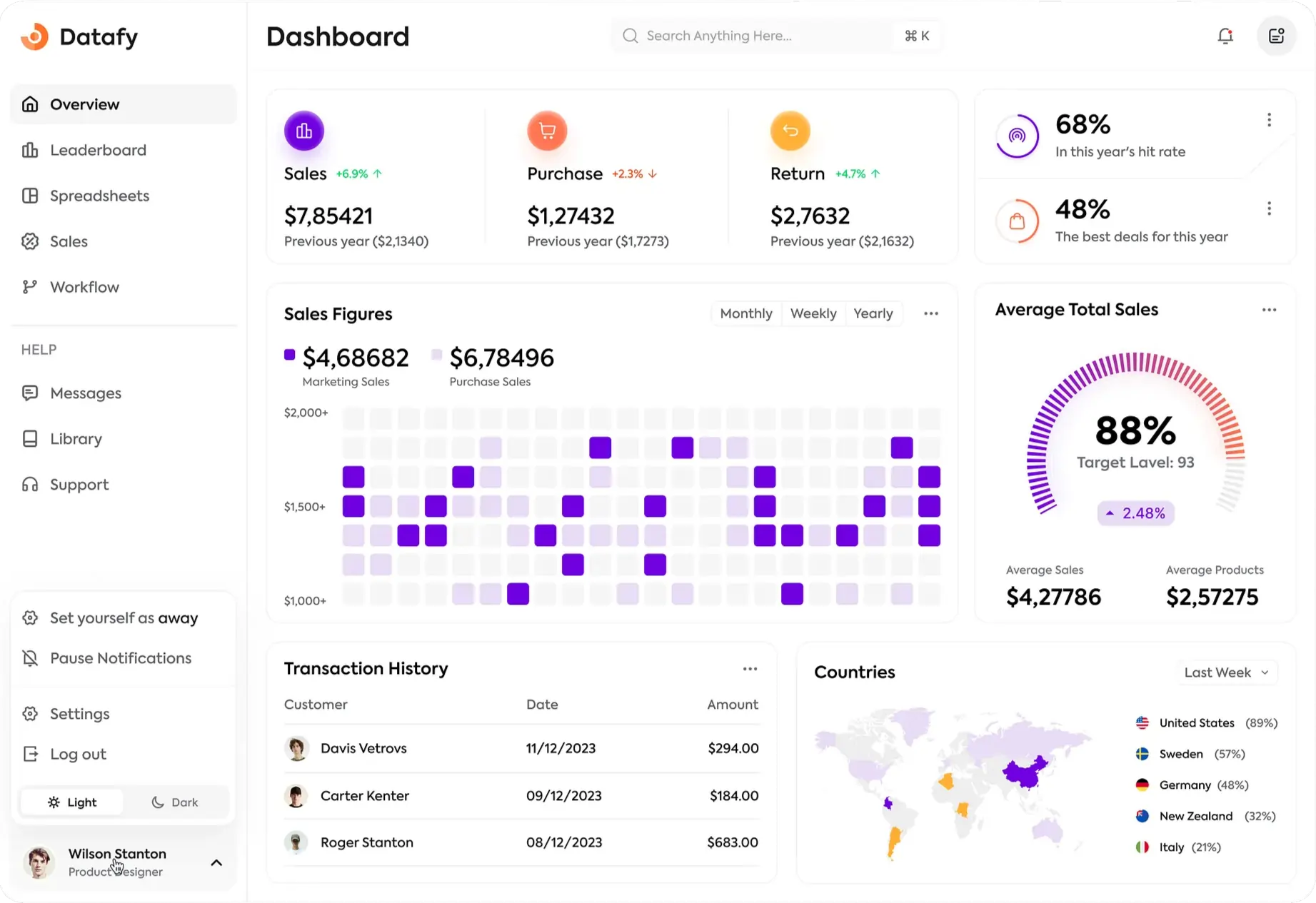
Two sites, one shared list of open jobs
Two sites, one shared list of open jobs screenshot

Two sites, one shared list of open jobs

When a Makkah producer also runs a line in Jeddah, the hardest part of the season is deciding where each job goes. Symake shows the queue at both sites together. A planner can move a work order from one site to the other, and the material transfer is raised with it. Supervisors at each location only see the jobs released to their floor, which keeps the tablets simple.

  • Combined job queue across both sites
  • Material transfer created with each move
  • Site-specific screens for supervisors
  • Group output report for the owners
See two-site setup →

Rollout timed around the seasons

Go-live is planned for a quieter month, never in the middle of a peak

Timing

We agree a go-live window between seasons so the team learns the system before demand rises.

Online workshops

Process sessions run online or in Jeddah with your planners, supervisors and quality staff.

Configuration

Items, bills of materials, routings and both sites' work centres are set up and reviewed.

Training in Jeddah

Key users from the Makkah plant train in Jeddah and then coach their own operators.

Live season

The first busy season runs with daily remote check-ins from the project consultant.

Season debrief

Output, scrap and downtime are reviewed together and settings are tuned for the next peak.

Shop-floor control in Makkah

Makkah businesses invoice under ZATCA, with VAT at 15% and FATOORA phase 2 arriving in waves. For wave 25, which covers VAT-subject revenue above SAR 187,500 in any year from 2022 to 2025, systems must be integrated by 1 February 2027. Seasonal volume makes this matter, because a large share of the year's invoices can go out in a few weeks and each must be cleared or reported correctly. Symake creates them from the dispatched quantity of each finished work order, with UBL XML, a QR code, a cryptographic stamp and the Arabic fields required on tax invoices.

Invoices created from dispatched work orders
Real-time clearance through the peak weeks
Arabic fields printed on each tax invoice
Integration plan for the 1 February 2027 date

Keep machines ready for the busy weeks

A breakdown in the week before Hajj costs far more than one in a quiet month. Symake schedules preventive maintenance by machine hours or by date, lets you bring services forward before a season and keeps spare parts stock visible to the maintenance team.

✓ Services scheduled by hours or date
✓ Pre-season maintenance pulled forward
✓ Spare parts stock visible to fitters
✓ Breakdown requests raised from tablets
✓ Repair time logged against each machine
✓ Downtime linked to affected work orders
Plan maintenance
Keep machines ready for the busy weeks
Built for GCC Business

Get your Makkah plant ready before the next season

Book an online session, or meet our consultants in Jeddah, to map your peak-season jobs.

Frequently Asked Questions

How is training arranged for a plant inside Makkah?

Non-Muslims cannot enter Makkah. For that reason, workshops and training take place in Jeddah or online, and your key users then lead training for operators on your own floor.

Should a Makkah plant go live before Ramadan or after Hajj?

Go-live works best in a quieter month, so the team has time to learn before demand rises. We look at your season calendar in the first workshop and pick a window that avoids both peaks.

Our second line is in a Jeddah industrial city. Can we move jobs between the Makkah and Jeddah sites?

Yes. Both sites share one list of work orders. Moving a job to the other site raises the stock transfer for its components at the same time, so material follows the work.

How do seasonal workers learn the tablets quickly?

The operator screen shows one operation at a time with clear start, pause and finish buttons. Key users trained in Jeddah or online can teach new staff on the line in a short session.

Can we see whether we have enough capacity for the season?

Yes. The capacity view adds up hours booked on each work centre by week. If a line is over its limit, planners can move work to an alternate centre or start build-ahead orders earlier.

Which Makkah businesses fall under ZATCA wave 25?

Wave 25 covers businesses with VAT-subject revenue above SAR 187,500 in any year from 2022 to 2025. Their phase 2 integration deadline is 1 February 2027, and the project plan works back from that date.

Can operators at our Makkah plant use Arabic screens?

The software, training and support are in English. What the law needs in Arabic, the tax invoice fields, is printed on every invoice. Operation names can be kept short so operators recognize them quickly.

How is support handled during the peak?

Support is remote, from Bengaluru, and its hours overlap the Saudi working week. During the first live season, the consultant also runs short daily check-ins with your supervisors.

Call us WhatsApp