










Manufacturing and Production Management Software in Madinah

Manufacturing and Production Management Software in Madinah for growing plants in Madinah Industrial City that have outgrown spreadsheets: clear work orders, routings operators can follow, and maintenance that is planned rather than remembered.

Phased Manufacturing and Production Management Software in Madinah
200+ Projects Delivered

What you get

  • Job sheets replaced by digital work orders
  • Routings written once and followed by all
  • Room to add a second site near Yanbu later

Phased Manufacturing and Production Management Software in Madinah

A plant in Madinah Industrial City often starts with one supervisor who knows every job by heart. That works until the order book grows, a second shift starts or a key person goes on leave. Symake replaces the job sheets and spreadsheets with work orders that hold the bill of materials, routing and checks in one record. Owners working from offices in Sultanah or Knowledge Economic City can open the same record and see where each job stands, without calling the floor. A later site near the Yanbu industrial area on the coast can be added without changing the setup.

Book a Free Demo
0 + Projects Delivered
0 % Client Satisfaction
0 + Years of Experience
0 + Industries Served

Moving a Madinah plant off spreadsheets

The pieces most plants switch on first, and what each one does

Item master

Item master

Raw materials, parts and finished products get one code each, ending the confusion of three names for the same thing.

Simple BOMs

Simple BOMs

Start with single-level bills of materials and add sub-assemblies later, once the team is comfortable with the basics.

Standard routings

Standard routings

Write down each product's operations once, with times, so new operators follow the same steps as experienced ones.

Job progress

Job progress

Each work order shows completed operations, remaining quantity and any hold, replacing the whiteboard by the door.

Material issue

Material issue

Components are issued to a job from the warehouse, so stock balances drop when material is actually used.

Basic inspections

Basic inspections

A final check before goods move to the warehouse records pass, fail and the reason for any failure.

Breakdown requests

Breakdown requests

Operators report a machine fault from the tablet, and the maintenance person sees it straight away.

Planned services

Planned services

Regular services are set by date, so oil changes and inspections stop depending on someone's memory.

Owner dashboard

Owner dashboard

Open jobs, late jobs, output this week and machine stoppages appear together on a single page.

Start small and add steps as you grow
Start small and add steps as you grow screenshot

Start small and add steps as you grow

Not every plant needs every feature on day one. In Madinah, Symake usually begins with items, bills of materials, work orders and a final inspection, then adds routings with times, operator tablets and planned maintenance in a second phase. Each phase is short, and the first makes the second easier because the codes and structures are already in place.

  • Phase one covers items, BOMs and jobs
  • Phase two adds tablets and maintenance
  • Same data carries forward between phases
  • Training sized to each phase of work
Discuss a phased start →

Six steps to a working Madinah plant

Workshops in Jeddah, Riyadh or online, with remote follow-up

Kick-off call

An online call sets scope, names your key users and agrees which products go first.

Code cleanup

Your spreadsheets are turned into one clean item list and checked line by line with your team.

Workshop

Key users join a workshop in Jeddah, Riyadh or online to agree routings and inspection points.

Test jobs

Several real work orders are run in a test copy so mistakes surface before go-live.

Live use

The plant switches to the system, with daily remote check-ins during the first weeks.

Next phase

Tablets, maintenance plans or a second site are added once the basics run smoothly.

Shop-floor control in Madinah

Every Madinah producer registered for VAT charges 15% and falls under ZATCA's FATOORA e-invoicing. Phase 2 needs invoices in UBL XML with a cryptographic stamp and QR code, cleared in real time when the buyer is a business. Businesses in wave 25, those whose VAT-subject revenue exceeded SAR 187,500 in any year from 2022 to 2025, must integrate by 1 February 2027. For a smaller plant, this is often the trigger to replace spreadsheets. Symake's invoices come straight from completed work orders and carry the Arabic fields ZATCA asks for.

E-invoicing included from the first phase
Wave 25 businesses ready ahead of the deadline
Invoices built from completed work orders
Arabic tax invoice fields in place from day one

Plain screens for small production teams

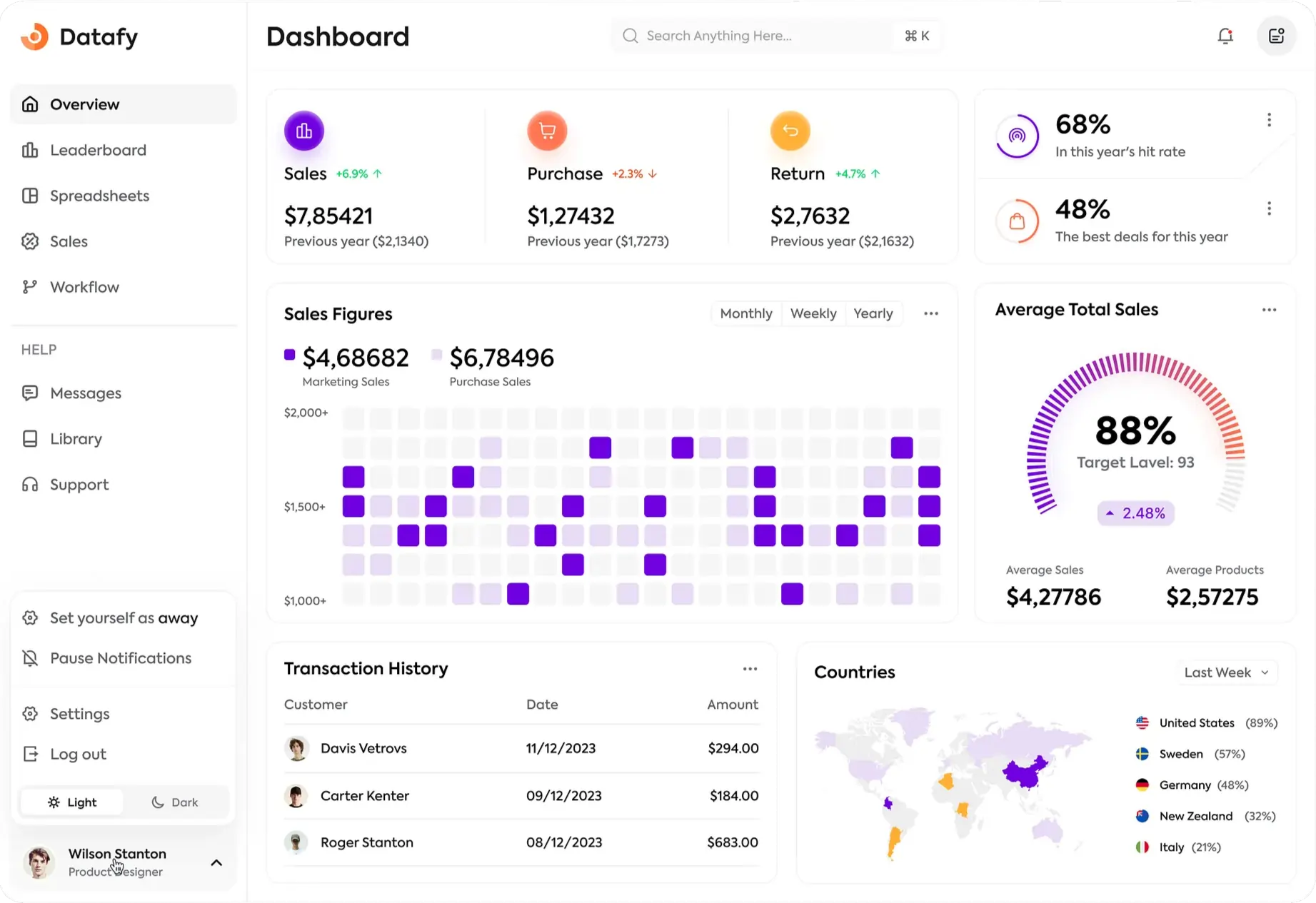
When the same person runs purchasing, planning and the floor, software has to be quick to read. Symake's dashboards show what is late, what is short and which machine stopped, with no reports to build first.

✓ Late jobs listed at the top
✓ Component shortages per work order
✓ Machine stoppages this week
✓ Output against plan by product
✓ Open purchase orders for components
✓ Role-based views for each user
View the dashboard
Plain screens for small production teams
Built for Manufacturing

Replace job sheets at your Madinah plant

Tell us how many products and machines you run, and we will suggest a first phase that fits.

Frequently Asked Questions

Where are workshops held for a Madinah plant?

Workshops run in Jeddah, Riyadh or online, depending on what suits your team. Most of the configuration work happens remotely from Bengaluru between sessions.

We only have one plant in Madinah Industrial City. Is this too much system for us?

No. A single plant can start with a small set of features and grow. The phased approach means you only train people on what they will use in the next few months.

Can we import our existing spreadsheets?

Yes. Item lists, bills of materials and opening stock are imported from spreadsheets after a cleanup step that removes duplicate codes and missing units of measure.

We may open a second site near Yanbu. Can it be added to our Madinah setup later?

Yes. A new site gets its own warehouse and work centres in the same database. Jobs, stock and reports can then be viewed per site or for the business as a whole.

Do we need operator tablets from day one?

No. Work orders can be updated from a desktop by a supervisor at first. Tablets for operators are usually added in the second phase, once routings and codes have settled.

Does FATOORA phase 2 apply the same way to a small Madinah business?

Yes. Size does not change the technical requirements. Invoices are produced in the required format, cleared with ZATCA and printed with Arabic fields, whether you raise ten a month or many more.

How do we schedule machine servicing?

Each machine gets a maintenance plan by date or by running hours. The system creates the service job when it is due and keeps a history of every repair and part used.

What language are training and support in for Madinah clients?

Both are in English. Tax invoices carry the Arabic fields that ZATCA requires, and the operator screens use short labels that are easy to learn.

Call us WhatsApp