









FMCG Software in Riyadh

FMCG Software in Riyadh is easier to choose once you know which parts matter first. This guide walks brand and distributor teams through orders, van sales, schemes, expiry, credit and VAT, then shows how SalesMake covers each one.

How to shortlist FMCG Software in Riyadh
200+ Projects Delivered

What you get

  • Start with the module behind your costliest monthly problem
  • Test every scheme and price rule on real Riyadh orders
  • Check ZATCA clearance before signing, not after go-live

How to shortlist FMCG Software in Riyadh

Riyadh buyers usually start the search in a head office tower in Al Olaya or King Abdullah Financial District, while the stock that needs controlling sits in a depot in the Second Industrial City. That split shapes the shortlist. Finance wants clean ZATCA invoices and firm credit limits; sales wants orders and schemes that work for bakalas in Al Narjis and chains in Hittin. A good first question is which problem costs you most each month today, not which product has the longest feature list. SalesMake covers orders, distributor stock, van sales, schemes, batches, credit and accounts, so you can begin with the weakest link and add the rest later.

Book a Free Demo
0 + Projects Delivered
0 % Client Satisfaction
0 + Years of Experience
0 + Industries Served

Nine parts of an FMCG system, explained

What each part does, so you can rank them for your Riyadh team

Order booking

Order booking

Primary orders from distributors and secondary orders to shops land in one book, priced from the right list for each channel.

Distributor visibility

Distributor visibility

Brands see what each partner holds, sells and owes, without waiting for a monthly spreadsheet from the partner's accountant.

Van sales

Van sales

Drivers sell, invoice and collect from the van, and the load is reconciled against cash and returns when they reach the depot.

Trade promotions

Trade promotions

Schemes, free goods and slab discounts apply at order time, and each promotion's cost is tracked against the volume it moved.

Batch and expiry

Batch and expiry

Every carton carries a batch and an expiry date, so the oldest stock leaves first and near-expiry goods are flagged in time.

Warehouse control

Warehouse control

Receipts, transfers and dispatches move stock between depots with a record of who did what, and counts are matched to the book.

Credit control

Credit control

Each account has a limit and payment terms, and orders over the limit wait for approval instead of leaving the depot unpaid.

Accounts and VAT

Accounts and VAT

Invoices, receipts and credit notes post to the ledger with 15% VAT, and B2B invoices are cleared with ZATCA as they are issued.

Management dashboards

Management dashboards

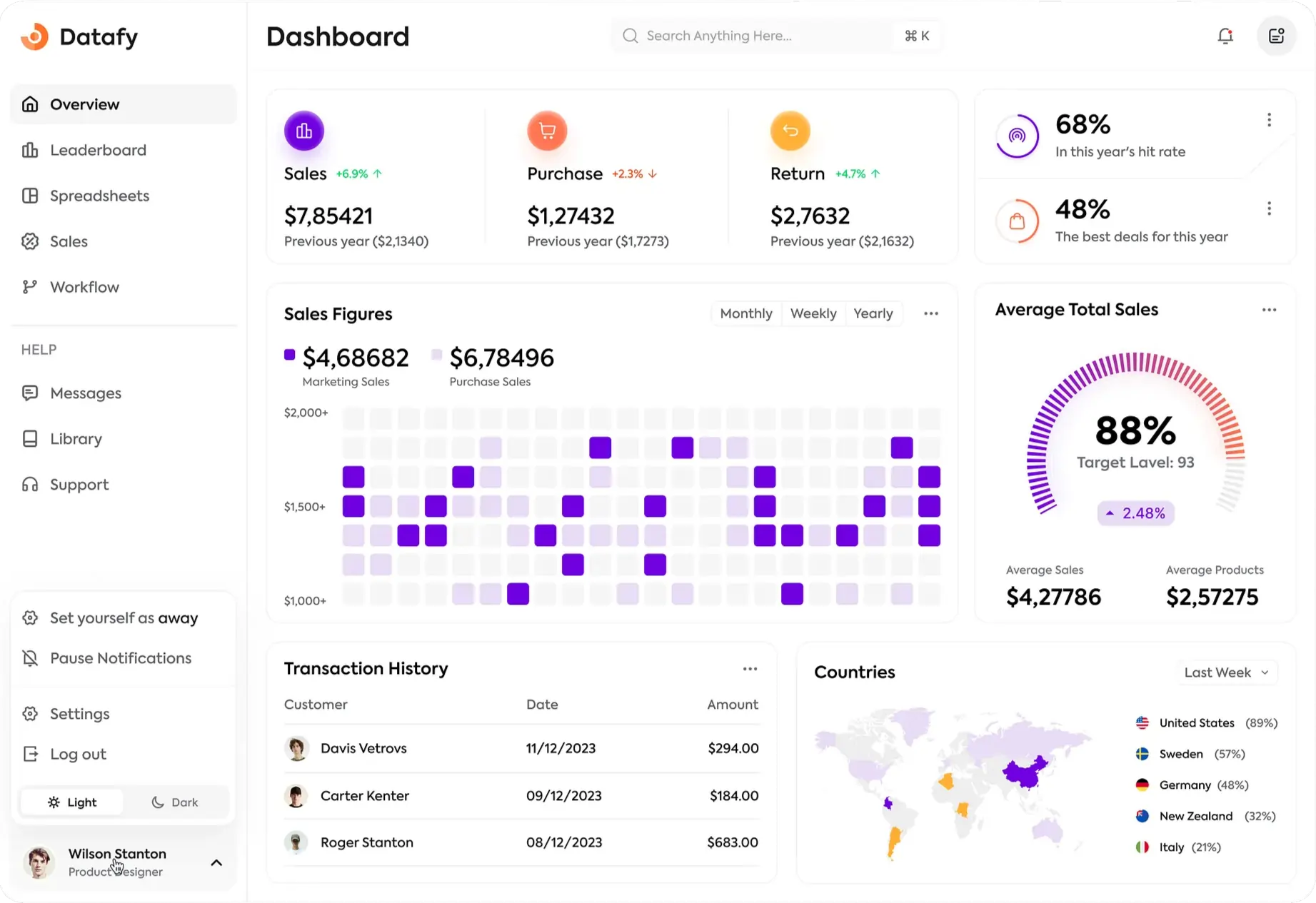
Sales by channel, scheme spend, overdue balances and slow stock appear on one screen that refreshes as entries are made.

One system or several for a Riyadh business?
One system or several for a Riyadh business? screenshot

One system or several for a Riyadh business?

Many Riyadh firms run billing in one tool, stock in a spreadsheet and van sales on a separate app, then spend days matching the three. A single system removes that matching work, because an order, its invoice, its stock movement and its payment are one record. Separate tools can still make sense when a partner forces its own portal on you. In that case, ask how SalesMake would connect to it and who maintains the link.

  • One record from order to cash collection
  • No month-end matching between three tools
  • Links to partner portals where you need them
  • One login and one set of master data
Compare the options →

A buying process that works in Riyadh

Six steps from first conversation to a full rollout

List pains

Write down the three problems that cost your team the most time or money each month.

Map channels

Note how you sell to chains, bakalas and HoReCa, and who books, delivers and collects.

Ask vendors

Send the same written questions to every vendor and compare the answers side by side.

Run a pilot

Go live with one distributor or one van route first, using real orders and real invoices.

Review results

Compare pilot figures with the old way: invoice errors, stock gaps and days to collect.

Roll out

Add the remaining routes and partners in waves, with training before each group starts.

Picking FMCG systems in Riyadh

Before you sign, check four rules against any product you are considering. Saudi VAT is 15%, collected by ZATCA, and every tax invoice must carry the Arabic fields ZATCA requires. FATOORA phase 2 is arriving in waves; wave 25 covers firms whose VAT-subject revenue passed SAR 187,500 in any year from 2022 to 2025, with integration due by 1 February 2027. Some sweetened and energy drinks attract excise tax, which belongs on its own line. Customer and staff records fall under the Personal Data Protection Law, enforced by SDAIA since September 2024, and several cloud providers have data centres inside the Kingdom if you want data kept there.

VAT at 15% with the Arabic invoice fields in place
FATOORA wave 25 link live before 1 February 2027
Excise goods held on separate tax lines
Personal data handled in line with the PDPL

Questions to put to every vendor in Riyadh

A demo shows the happy path. These questions show what happens on a busy Thursday when a van comes back short, two schemes overlap and a bakala is over its limit. Ask each vendor to answer them in writing, then ask us the same.

✓ How are partial returns credited?
✓ Can two schemes stack on one order?
✓ Who owns our data if we leave?
✓ What drives the yearly running cost?
✓ How are upgrades tested before release?
✓ What happens when the network drops?
Get the question list
Questions to put to every vendor in Riyadh
Built for FMCG

Talk through FMCG system options for Riyadh

Bring your price lists and a week of orders, and we will run them through SalesMake with you.

Frequently Asked Questions

Where should a Riyadh brand start: billing or field orders?

Start where the loss is largest. If invoice errors and ZATCA clearance worry finance, begin with billing and credit. If reps lose orders or schemes are misapplied, start with order booking. SalesMake lets you add the other modules later on the same data.

Will consultants come to our Riyadh office?

Yes. Symake works from Bengaluru, and consultants fly to Riyadh for workshops, training and go-live. Between visits, support is remote, during hours that overlap most of the Saudi working week from Sunday to Thursday.

How do we pilot with one Riyadh distributor?

Pick a partner with a manageable range and a few routes, such as one covering Al Malqa and Al Yasmin. Run its orders, stock and invoices in SalesMake for a set period, then compare errors and collection days with your other partners.

What drives the total cost of an FMCG system?

The number of users, companies and depots, how many van devices you run, links to banks or partner portals, data migration effort and how much training you need. We quote after scoping, never from a list.

Can we keep our spreadsheets during the switch?

For a short overlap, yes. We load opening stock, open invoices and customer balances from your sheets, run both side by side through one closing period and retire the sheets once the figures agree.

Can van drivers in Riyadh take mada card payments?

Drivers can record mada, credit card and cash receipts against each invoice, and the collection posts to the customer account the same day. The card terminals themselves come from your bank.

What should we ask about upgrades?

Ask how often updates are released, whether your settings and reports survive them, and who tests each upgrade on a copy of your data first. With SalesMake, upgrades are tried on a copy before your live system changes.

Can one system serve both a brand and its distributors?

Yes. The brand can run primary sales and accounts while each distributor works in its own company inside SalesMake, with shared product and price masters. Each side sees only what it should.

Call us WhatsApp