









FMCG Software in Al Wakrah

FMCG Software in Al Wakrah should help importers and distributors near Hamad Port decide between one connected system and a set of separate tools. This guide sets out the trade-offs and how SalesMake joins orders, batches, routes and credit.

Comparing approaches to FMCG Software in Al Wakrah
200+ Projects Delivered

What you get

  • Container batches traced to each shop
  • One record from port clearance to invoice
  • Routes to Barwa City and Al Wukair in one plan

Comparing approaches to FMCG Software in Al Wakrah

Al Wakrah sits close to Hamad Port and the Umm Alhoul free zone, which makes it a natural base for importers who clear containers and move them into local depots. From there, vans serve Barwa City, Al Wukair and the old town souq, while larger loads head south toward Mesaieed or north into Doha. Importers here often juggle a customs file, a billing tool and a van app. Each holds part of the truth about batches and expiry. SalesMake, Symake's FMCG and distribution system, brings those pieces together so a container's batches can be traced from the port to the shop.

Book a Free Demo
0 + Projects Delivered
0 % Client Satisfaction
0 + Years of Experience
0 + Industries Served

Connected system versus separate tools

How the two approaches compare on daily FMCG work

Stock accuracy

Stock accuracy

One system updates stock as orders, transfers and returns post. Separate tools need someone to reconcile them each night.

Batch tracing

Batch tracing

A single record follows each import batch to the invoice. Split tools lose the link when data is copied between them.

Pricing control

Pricing control

Price lists live in one place and apply to every channel, instead of being repeated in billing and van apps.

Credit exposure

Credit exposure

Credit is checked against all open invoices at once, not only those in the tool where the order was taken.

Claim handling

Claim handling

Schemes and claims sit beside the invoices they affect, which shortens disputes with chains and distributors.

Reporting effort

Reporting effort

Managers read one set of reports rather than merging exports from three tools at the end of each month.

Specialist depth

Specialist depth

A niche tool may offer more depth in one area. That can justify keeping it, linked through an integration.

Change effort

Change effort

Moving to one system takes planning and training, so the switch is usually phased rather than done at once.

Total upkeep

Total upkeep

One supplier, one support line and one upgrade path usually take less effort to manage than several contracts.

Keeping batches and expiry under control
Keeping batches and expiry under control screenshot

Keeping batches and expiry under control

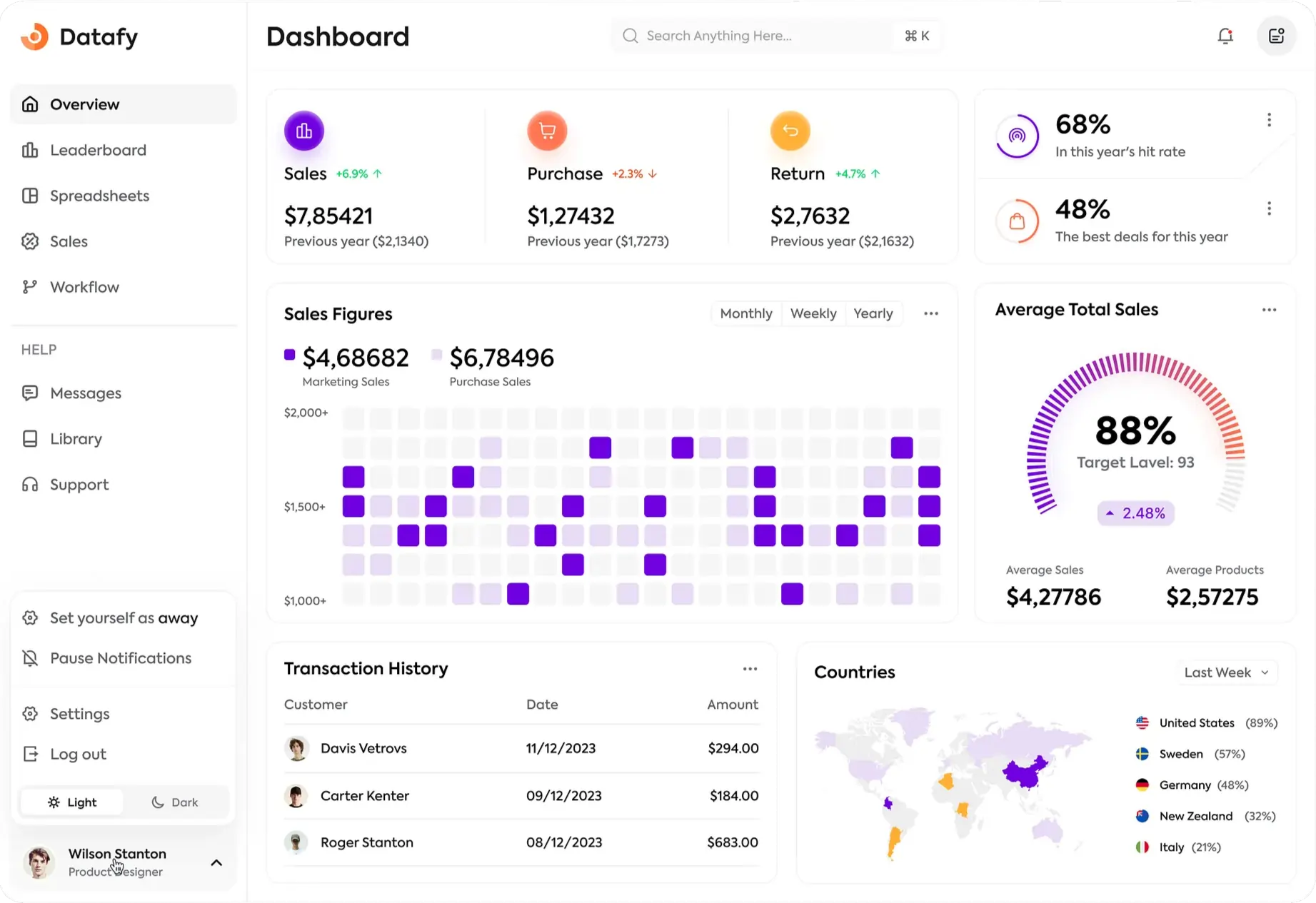
Imported goods often arrive with limited shelf life left, so expiry control decides margins. SalesMake records batch and expiry at receipt, suggests first-expiry-first-out picking, and flags cases nearing their date. Near-expiry stock can be moved to a faster channel or returned to the supplier while it still has value. Reports show write-offs by SKU and cause, so buying can adjust.

  • Batch and expiry captured at receipt
  • Oldest stock offered first for picking
  • Near-expiry cases flagged in advance
  • Write-offs reported by SKU and reason
See expiry control →

Bringing separate tools into one system

A phased path for Al Wakrah importers and distributors

List tools

Note each tool in use, what data it holds, who relies on it and which reports come from it.

Decide fate

Mark each tool to be replaced, kept and linked, or retired after a read-only period.

Core first

Orders, batch stock, credit and accounts go live first, replacing the old billing tool.

Link imports

Customs and supplier documents are linked to receipts so each batch keeps a record of its origin.

Add routes

Van sales move onto SalesMake handhelds, replacing the separate route app area by area.

Close old

Retired tools are archived once two clean month-ends have been completed on the new system.

Picking FMCG systems in Al Wakrah

Qatar rules shape what an Al Wakrah buyer needs from a system. There is no VAT in Qatar yet; SalesMake keeps it ready to enable if the tax is introduced. Excise applies to goods such as energy and sweetened drinks, and importers must keep those records apart. Personal data is covered by Law No. 13 of 2016. Data can be hosted in Qatar through the in-country cloud data centres run by global providers.

No VAT now, ready to enable if introduced
Excise imports recorded in separate lines
Shop owner data protected under Qatar law
Cloud hosting inside Qatar can be arranged

SalesMake for importers south of Doha

Symake configures SalesMake in Bengaluru and flies consultants to Al Wakrah for workshops and go-live, with 200+ projects completed. Day-to-day support is remote and in English, during hours shared with the Qatar working week.

✓ Import batches traced to invoices
✓ Expiry flags before stock is lost
✓ Credit checked across all channels
✓ Van routes from Al Wakrah depots
✓ Chain claims beside their invoices
✓ Integrations with tools you keep
Talk it through
SalesMake for importers south of Doha
Built for FMCG

Decide on one system for your Al Wakrah depot

List the tools you use today, and we will show which SalesMake can replace and which to keep.

Frequently Asked Questions

Can SalesMake track goods cleared through Hamad Port?

Yes. Each receipt can carry the shipment reference, supplier and batch details, so goods are traced from port or Umm Alhoul clearance to the depot and on to each shop invoice.

Should we keep our van app if drivers like it?

Possibly, for a while. It can be linked to SalesMake so orders and collections flow into one ledger. Once drivers are comfortable, the built-in van handhelds can take over and remove the extra contract.

Can routes to Mesaieed and Doha share one depot in Al Wakrah?

Yes. Routes are set up per area with their own customers and price lists, but load from the same depot. Stock, sales and cash for each route are reconciled separately at day end.

What is lost when tools are kept separate?

Mainly the link between data. Batches lose their trail, credit is checked against part of the debt, and reports need manual merging. One system keeps those links intact.

How are short-dated imports handled?

Batch and expiry are captured at receipt. Cases nearing their date are flagged, offered first for picking, or set aside for return or a faster channel before they lose value.

Can Symake visit our Al Wakrah depot during the project?

Yes. Consultants fly in for the requirement workshop, a depot walk-through and go-live. Other sessions and support are delivered remotely from Bengaluru.

Does one system mean one supplier for everything?

For the core flows, yes. Integrations still connect banks, chain portals or a specialist tool you choose to keep, so the system fits around how your business already works.

How do we judge whether the switch paid off?

Compare write-offs from expiry, days to close the month, overdue credit and claim disputes before and after. Those figures show the effect without relying on estimates.

Call us WhatsApp