










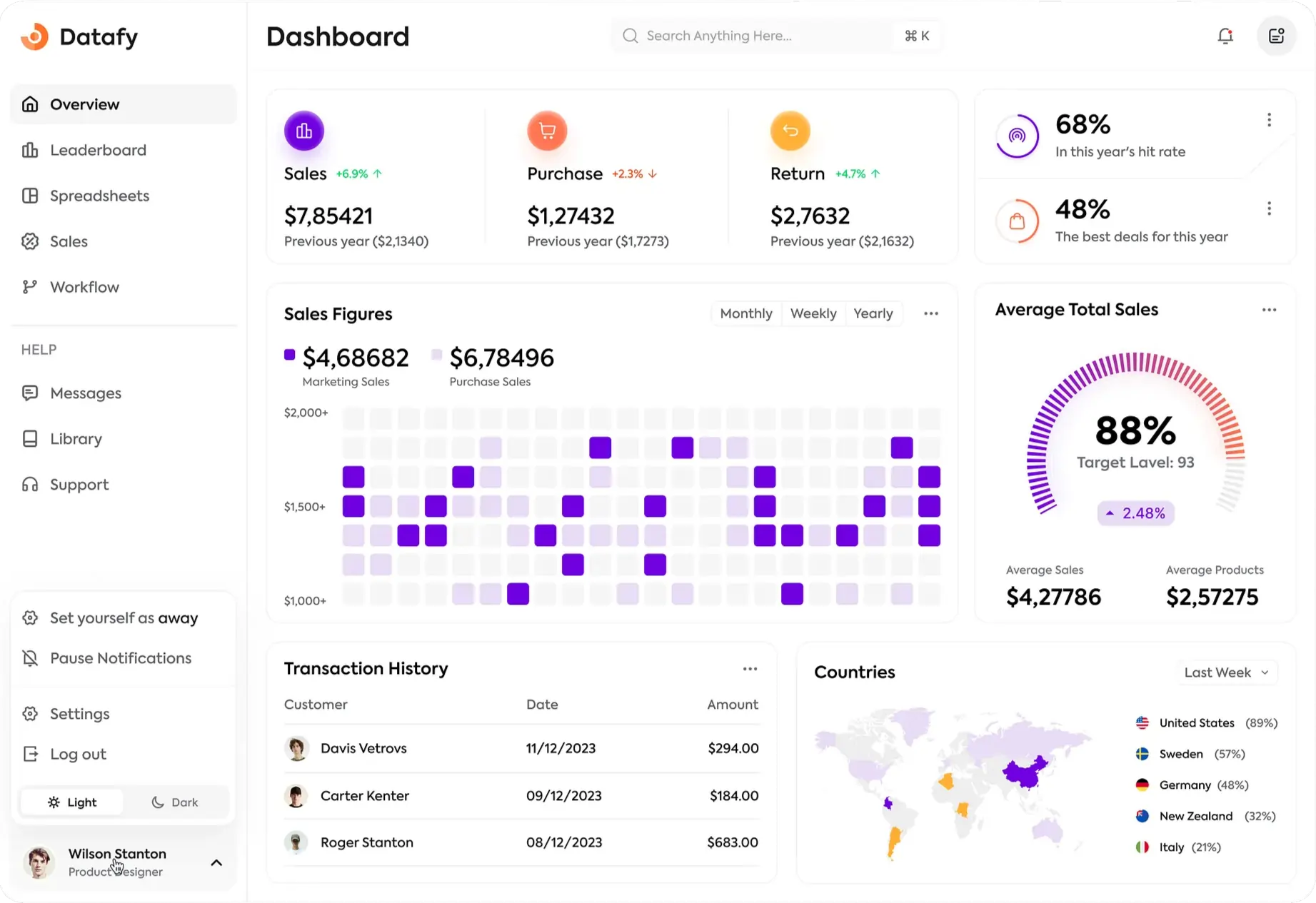
FMCG ERP, Billing, Inventory and Distribution in Makkah

FMCG ERP, Billing, Inventory and Distribution in Makkah for distributors whose volumes rise sharply in Ramadan and the Hajj and Umrah seasons. SalesMake keeps invoices, batches and credit in line when the pace changes.

Peak-season FMCG ERP, Billing, Inventory and Distribution in Makkah
200+ Projects Delivered

What you get

  • Pre-season stock build by depot and batch
  • Faster reorders billed with cleared invoices
  • A post-season review of slow batches

Peak-season FMCG ERP, Billing, Inventory and Distribution in Makkah

Demand in Makkah rises sharply during Ramadan and the Hajj and Umrah seasons, and FMCG distributors feel it first in billing and stock. Bakalas in Al Aziziyah and Jarwal reorder more often, supermarkets near Ajyad want quick top-ups, and short-dated batches move faster than usual. SalesMake lets you build stock ahead of each peak, bill every drop with a ZATCA-cleared invoice, and watch credit as order sizes grow. After the season, slow batches are flagged so they can be returned or pushed through schemes. Because non-Muslims cannot enter the city, our workshops for Makkah teams take place in Jeddah or online.

Book a Free Demo
0 + Projects Delivered
0 % Client Satisfaction
0 + Years of Experience
0 + Industries Served

Built for the Makkah trading calendar

Nine features that matter most when volumes swing

Season planning

Season planning

Compare last season's sales by item and area to set depot stock targets before demand starts to climb.

Quick reorders

Quick reorders

Repeat an outlet's last order with a few changes, then bill it through the same cleared invoice flow.

Short-dated stock

Short-dated stock

Batches close to expiry are listed by depot, so the team can route them to high-turnover outlets first.

Daily credit check

Daily credit check

During peak weeks, larger orders are checked against the outlet's limit and overdue balance before release.

Split deliveries

Split deliveries

When stock is short, deliver part of an order, invoice what left the depot and keep the rest open.

Return handling

Return handling

Expired or damaged items come back with a credit note linked to the original invoice and batch.

Scheme billing

Scheme billing

Trade schemes apply at order time, so discounts and free goods appear correctly on the tax invoice.

Peak dashboards

Peak dashboards

Daily sales, stock cover and collections by area help managers react within the day, not after the season.

Evening cash log

Evening cash log

Cash taken at the outlet is entered in the rep's app and reconciled at the depot each evening.

Keeping invoices accurate when volume jumps
Keeping invoices accurate when volume jumps screenshot

Keeping invoices accurate when volume jumps

Peak weeks are when billing mistakes cost most. Clerks rush, deliveries get split, and free goods from schemes go missing from invoices. SalesMake calculates the scheme when the order is booked, invoices only what actually leaves the depot, and posts every credit note against its original invoice. When the season ends, your accounts already show what was sold, returned and collected in Makkah.

  • Scheme goods printed on the tax invoice
  • Partial deliveries billed as dispatched
  • Credit notes linked to source invoices
  • Season totals ready when demand settles
See a peak week →

Preparing Makkah teams before the season

Six steps, timed to finish ahead of the next peak

Timing

We agree a go-live window that avoids Ramadan and the Hajj season, when nobody has time to learn.

Data review

Items, batches, outlets, credit terms and schemes are reviewed with your sales and finance leads.

Depot rules

Expiry, picking order and reserve stock for peak weeks are set for each depot that serves the city.

Jeddah workshop

Staff working in Makkah join hands-on sessions held in Jeddah or online, delivered in English.

Dry run

A sample day of orders is billed end to end, including returns and scheme goods, before going live.

Live support

Remote support from Bengaluru covers the working week, with extra attention planned around peaks.

Billing and stock rules in Makkah

Makkah falls under Saudi VAT at 15%, collected by ZATCA, and the FATOORA e-invoicing rules apply as in any other city. Phase 2 needs UBL XML invoices with a cryptographic stamp and a QR code; B2B invoices are cleared in real time, and simplified invoices go to ZATCA within 24 hours. Distributors in wave 25, whose VAT-subject revenue passed SAR 187,500 in any year from 2022 to 2025, must integrate by 1 February 2027. SalesMake prints the Arabic fields ZATCA requires on invoices and receipts, and keeps excise goods such as energy drinks on their own tax lines.

Peak-season invoices cleared like any other
Consumer sales reported within 24 hours
Arabic fields on every peak-season invoice
Energy drinks set up with excise lines

What Makkah distributors get from SalesMake

SalesMake joins the order, the depot and the books. For Makkah distributors that means the season's extra volume does not need extra spreadsheets, because every delivery, return and payment lands in the same double-entry ledger.

✓ Stock targets from last season
✓ Expiry lists for each depot
✓ Cleared invoices on every drop
✓ Credit checks on large orders
✓ Scheme goods on the invoice
✓ Evening cash reconciliation
Plan for the season
What Makkah distributors get from SalesMake
Built for FMCG

Get Makkah billing ready before the next peak

Tell us which depots and routes serve Makkah, and we will propose a timeline that clears the season.

Frequently Asked Questions

Will your team come to our Makkah depot?

Non-Muslims cannot enter Makkah, so workshops and training for Makkah staff are held in Jeddah or online. Day-to-day support is remote from Bengaluru and overlaps the Saudi working week.

When should a Makkah distributor go live?

Ideally in a quiet period, well before Ramadan or the Hajj season, so staff learn the system without peak pressure. We plan the timeline backwards from the next season.

How does SalesMake help with stock left after the season?

Once demand settles, a report lists batches by depot with their expiry dates and recent sales. You can move them to faster areas, attach a scheme or arrange returns before they expire.

Can we raise credit limits just for peak weeks?

Yes. Limits can be changed for a period and then reset, and each change is recorded, so finance can see who approved a higher limit and when.

Are scheme free goods shown on the tax invoice?

Yes. Schemes are calculated when the order is booked, and free goods or discounts appear as lines on the invoice, so VAT and the customer's balance are correct.

What if an outlet accepts only part of a delivery?

The accepted quantity is billed, and the rest returns to stock against the same order. If an invoice was already issued, a credit note linked to it records the difference.

Do invoices to Makkah outlets need Arabic?

Yes. Saudi tax invoices must include Arabic, and SalesMake prints the required Arabic fields on them. The screens and the training stay in English.

Can managers track daily sales by area during Ramadan?

Yes. Dashboards show sales, stock cover and collections by area and route as data syncs, so managers in Jeddah or Makkah can act the same day.

Call us WhatsApp