









FMCG ERP, Billing, Inventory and Distribution in Jeddah

FMCG ERP, Billing, Inventory and Distribution in Jeddah for importers and distributors who receive at the port and deliver up the coast and inland. SalesMake follows each batch from receipt to invoice to collection.

FMCG ERP, Billing, Inventory and Distribution in Jeddah at a glance
200+ Projects Delivered

What you get

  • Receipts logged by batch from the port
  • Routes to Makkah, Taif and Rabigh on one plan
  • Overdue amounts shown before the next order

FMCG ERP, Billing, Inventory and Distribution in Jeddah at a glance

Jeddah is the Red Sea gateway for many FMCG brands, and a lot of imported stock lands at Jeddah Islamic Port before it reaches a depot. From there, trucks serve supermarkets on Tahlia Street, bakalas in Al Balad and Al Hamra, and customers further out in Makkah, Taif and Rabigh. Family-run distributors here often keep billing, stock and credit in three separate places. SalesMake brings them together: goods are received by batch with their expiry date, invoices clear with ZATCA as they are issued, and each account shows what is owed and what is overdue. Our team works from Bengaluru and flies in for workshops and go-live.

Book a Free Demo
0 + Projects Delivered
0 % Client Satisfaction
0 + Years of Experience
0 + Industries Served

Nine tools for a Jeddah distribution office

Covering the trip from port receipt to paid invoice

Port receipts

Port receipts

Record imported goods against the purchase order when they clear the port, with batch numbers and expiry dates captured at entry.

Landed cost

Landed cost

Spread freight, duty and clearing charges over the items received, so the margin on each invoice reflects the real cost.

Batch picking

Batch picking

Pick the earliest expiry first by default, with the option to hold a batch back for one chain's freshness rules.

Route invoicing

Route invoicing

Print or share invoices per route in the order of delivery, each one already cleared and carrying its QR code.

Coastal and inland runs

Coastal and inland runs

Plan deliveries north to Rabigh and inland to Taif from the same depot, with stock reserved for each route.

Return reasons

Return reasons

Log damaged, expired and refused goods with a reason, so credit notes and stock adjustments stay consistent.

Credit control

Credit control

Set credit days and limits per customer group, from large chains to single bakalas, and block risky orders early.

Cash and cheques

Cash and cheques

Collections recorded by reps reach the ledger the same day and are matched against the oldest open invoices.

Partner reporting

Partner reporting

Family partners see sales, stock value and outstanding on a dashboard instead of waiting for a monthly pack.

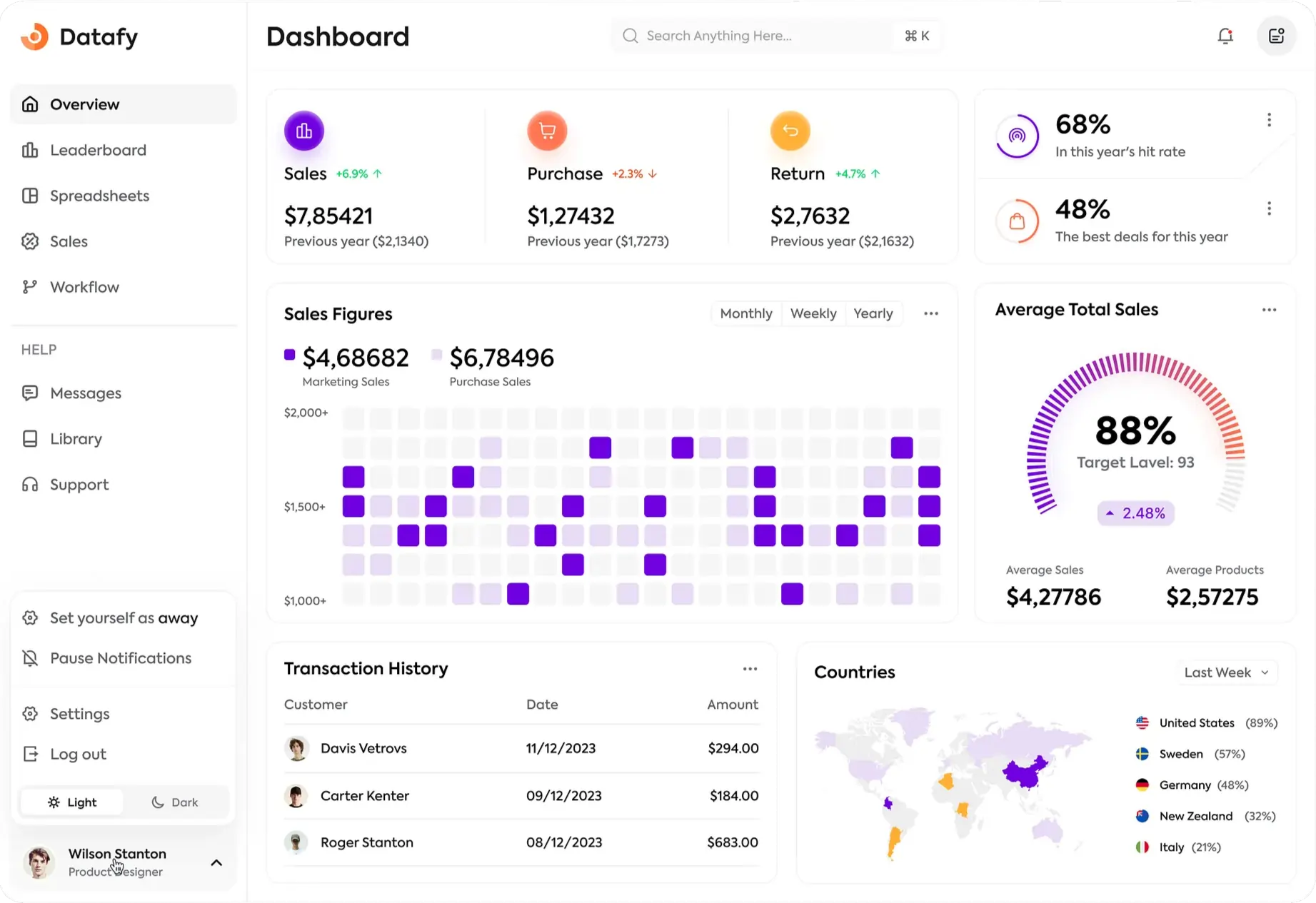
Port to payment without the spreadsheets
Port to payment without the spreadsheets screenshot

Port to payment without the spreadsheets

A common Jeddah pattern: the import clerk tracks containers, the warehouse keeps its own sheet, and the accountant rebuilds sales from invoice copies. When a batch expires, nobody knows which customer got the last of it. With SalesMake, each receipt carries its batch into stock, each invoice records which batch left, and each payment closes the right invoice. Tracing a batch to its customers becomes a simple report.

  • Batch numbers carried from receipt to invoice
  • Customer list for any batch on request
  • Payments matched to the right open invoice
  • Stock value per depot in riyals
Trace a batch →

Getting a Jeddah distributor live

Six stages, planned around your peak trading weeks

Discovery

We study your import flow, depot layout and routes, and note where invoices and stock drift apart today.

Master data

Items, batches, customers, price lists and credit terms are cleaned and loaded in a single pass.

Clearance tests

Tax invoices are tested for clearance and the Arabic fields are checked before any customer sees one.

Pilot route

One route goes live first, often a short city run, so issues surface on a small scale.

Training

Consultants fly in to Jeddah to coach clerks, storekeepers and drivers in English, hands on.

Full rollout

Remaining routes switch over, and remote support from Bengaluru continues through the working week.

Billing and stock rules in Jeddah

Jeddah businesses fall under the same ZATCA rules as the rest of the Kingdom: VAT at 15% and FATOORA e-invoicing in phases. Phase 2 calls for UBL XML invoices with a cryptographic stamp and a QR code, real-time clearance for B2B sales, and reporting of simplified invoices within 24 hours. Wave 25, for VAT-subject revenue above SAR 187,500 in any year from 2022 to 2025, has an integration deadline of 1 February 2027. Some goods, such as sweetened and energy drinks, also carry excise, which SalesMake keeps on separate tax lines. All invoices and receipts show the Arabic fields that ZATCA asks for.

Supermarket chain invoices cleared in real time
Simplified bills sent to ZATCA inside 24 hours
Excise kept apart from 15% VAT lines
Arabic text on each printed tax invoice

What Jeddah distributors use every day

SalesMake covers the FMCG chain from rep to ledger. For Jeddah teams the busiest parts are receiving, billing and credit, and those run on the same double-entry books as the rest of the business.

✓ Batch receipts from imports
✓ ZATCA-cleared route invoices
✓ Returns with reason codes
✓ Landed cost on each item
✓ Credit days per customer group
✓ Dashboards for partners
Ask a question
What Jeddah distributors use every day
Built for GCC Business

Plan your Jeddah billing and stock setup

Send us your route list and a sample invoice, and we will walk through a Jeddah rollout plan.

Frequently Asked Questions

Can SalesMake handle stock that lands at Jeddah Islamic Port?

Yes. Imported goods are received against the purchase order with batch and expiry details, and landed charges can be added to cost. The stock then sits in your Jeddah depot ready to invoice.

We deliver to Makkah from Jeddah. Can routes include it?

Yes. Routes from a Jeddah depot can include customers in Makkah, Taif or Rabigh. Workshops for staff based in Makkah are held in Jeddah or online.

How do you stop expired goods reaching a supermarket chain?

Expiry dates are captured when goods are received, and picking suggests the oldest valid batch. Batches past a cut-off you set are blocked from picking, so they are not loaded for delivery.

Does every Jeddah invoice need ZATCA clearance?

B2B tax invoices need real-time clearance under phase 2, while simplified (B2C) invoices are reported within 24 hours. Your wave decides when integration is due.

Can partners in a family business see different reports?

Yes. Access is set by role, so a partner can see sales and outstanding across all routes while a depot keeper sees only stock in their own warehouse.

What if our prices differ by type of customer?

Price lists can be set per customer group, such as chains, wholesalers and bakalas, and trade schemes are calculated at order time so the invoice shows the right net price.

How long does a Jeddah rollout take?

It depends on routes, depots and the state of your data. We start with one pilot route, then switch the rest in stages agreed with you, avoiding your busiest trading weeks.

Can collections be recorded while reps are offline?

Yes. The app is built for low-connectivity areas, so a collection entered without signal is stored on the phone and synced once coverage returns.

Call us WhatsApp