










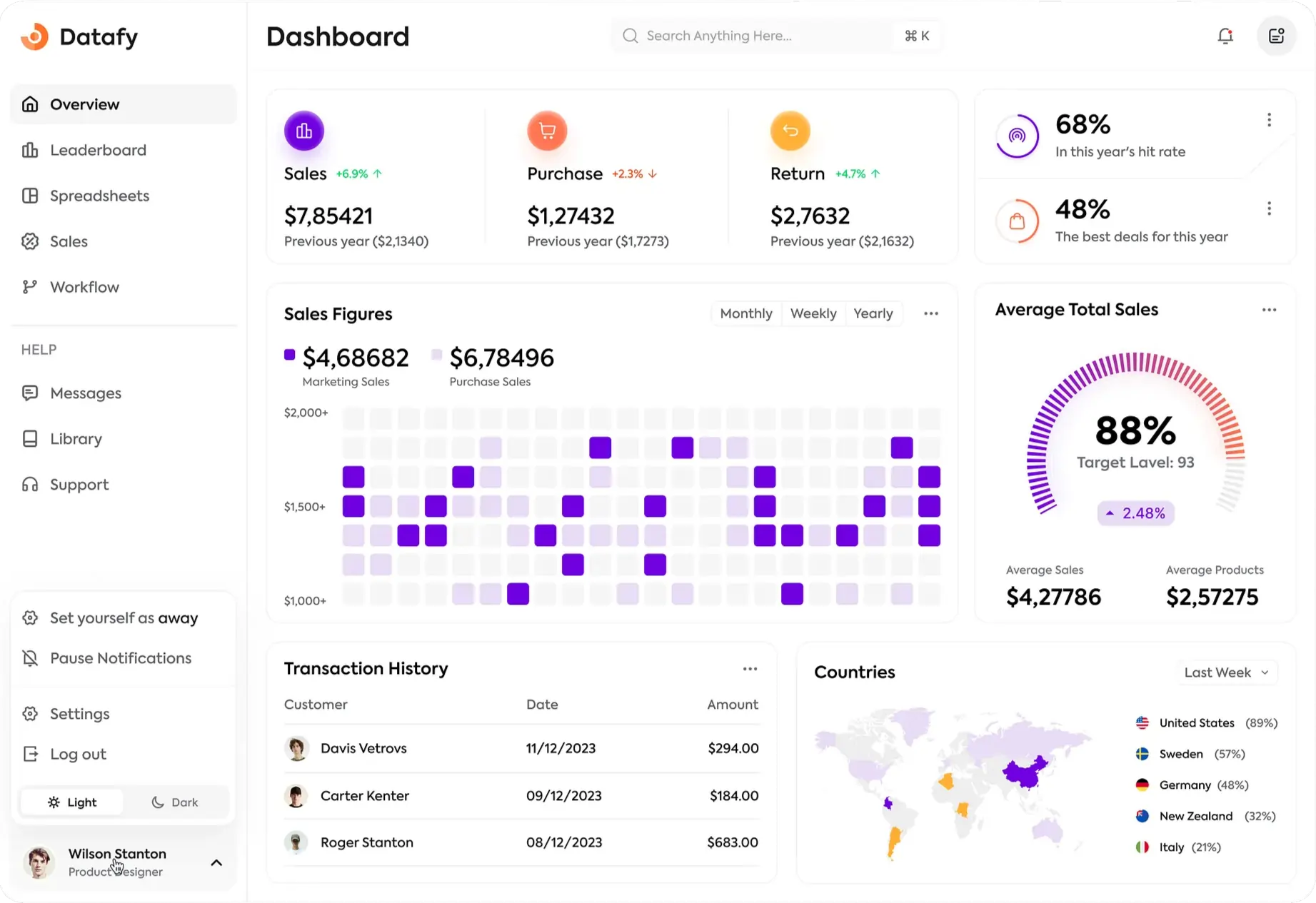
FMCG Distributor Management System in Makkah

FMCG Distributor Management System in Makkah for distributors whose volume jumps in Ramadan and the Hajj and Umrah seasons. SalesMake shows stock by expiry date, prices every grocery order with the right scheme and keeps credit in check.

FMCG Distributor Management System in Makkah for peak seasons
200+ Projects Delivered

What you get

  • Past season sales used to plan the stock build
  • Credit limits checked before peak deliveries
  • Post-season returns matched to batch and invoice

FMCG Distributor Management System in Makkah for peak seasons

Few markets swing like Makkah. In Ramadan and the Hajj and Umrah seasons, groceries in Ajyad, Jarwal and Al Aziziyah can sell far more in a day than in a quiet week, and distributors must refill them fast, often several times a week. When the season ends, short-dated stock and returns arrive just as quickly. SalesMake helps the distributor plan the build-up from past seasons, book orders on the move and check each outlet's credit before more goods go out. After the peak, returns are matched to invoices and batches, and the brand's share of the cost goes into the claim.

Book a Free Demo
0 + Projects Delivered
0 % Client Satisfaction
0 + Years of Experience
0 + Industries Served

Built around Makkah's busy calendar

Nine parts of SalesMake that matter before, during and after a peak

Season history

Season history

Compare sales by outlet and item across past Ramadan, Hajj and Umrah seasons to decide how much stock to build and where.

Expiry control

Expiry control

Stock bought for the peak is tracked by batch and expiry date, so short-dated lots go out first and nothing is forgotten at the back.

Quick reorders

Quick reorders

Reps repeat an outlet's last order in a few taps and adjust quantities, which keeps refills moving on the busiest days.

Season schemes

Season schemes

Offers limited to the season apply automatically at order time and stop on their end date without anyone editing prices.

Credit checks

Credit checks

Every order checks the grocery's open balance and limit. Large peak orders above the limit go to a manager before dispatch.

Return handling

Return handling

After the season, unsold and near-expiry goods come back against the original invoice, with the reason recorded for the brand.

Claim settlement

Claim settlement

Season scheme costs and agreed return support roll into the distributor's claim, line by line, ready for the brand to review.

Outlet collections

Outlet collections

Reps record payments at the outlet and the outstanding figure updates at once, so the post-season collection drive has clear targets.

Owner dashboard

Owner dashboard

Daily sales, stock cover and overdue balances by area, so the owner sees Al Awali and Al Shawqiyah side by side.

Plan the next peak from the last one
Plan the next peak from the last one screenshot

Plan the next peak from the last one

Distributors serving Makkah often remember the last season by feel. SalesMake keeps it as data. Sales by outlet, item and week from earlier seasons sit next to current stock and open orders. The owner can see which groceries ran out early last Ramadan, which items came back unsold and how long collections took afterwards, and set this year's build-up and credit limits with that in mind.

  • Week-by-week sales from past seasons
  • Items that came back unsold last time
  • Outlets that ran out of stock early
  • Days taken to collect after the peak
Explore season reports →

Getting a Makkah distributor ready

Workshops run in Jeddah or online, timed away from peaks

Timing

We pick a go-live window between seasons, so the team learns the system before the next peak arrives.

Workshops

Process workshops are held in Jeddah or online with the owner, the warehouse lead and the accountant.

Data load

Outlets, items, open batches and balances are loaded and checked against the existing ledger.

Scheme setup

Season offers and regular schemes are entered as rules with start and end dates, then tested.

Rep onboarding

Reps are trained on the mobile app online and practise on test outlets before taking live orders.

Support

Remote support from Bengaluru covers the Saudi working week, with extra check-ins before each season.

Distributors and trade channels in Makkah

Makkah distributors follow ZATCA rules. VAT is 15%. Under FATOORA phase 2, invoices need UBL XML, a cryptographic stamp and a QR code. Sales to VAT-registered buyers are cleared in real time, and simplified invoices to small bakalas are reported within 24 hours. A distributor lands in wave 25 if its VAT-subject revenue passed SAR 187,500 in any one year between 2022 and 2025, and must integrate by 1 February 2027. SalesMake invoices and receipts show the Arabic fields ZATCA requires. Non-Muslims cannot enter the city, so our consultants hold workshops in Jeddah or online.

Real-time clearance for invoices to chains
Grocery invoices reported to ZATCA within 24 hours
Arabic fields printed as ZATCA requires
Owner workshops run in Jeddah or by video call

How SalesMake fits a Makkah distributor's year

Our Bengaluru team has 200+ delivered projects behind it. For Makkah, our consultants work with your team in Jeddah or online, and support continues remotely. The system is set up to cope with sharp seasonal swings rather than an even year.

✓ Season-aware stock planning
✓ Expiry tracked on every batch
✓ Offers that switch off on time
✓ Credit checked on each order
✓ Rep app that works offline
✓ Remote support in English
Book a session
How SalesMake fits a Makkah distributor's year
Built for FMCG

Prepare your Makkah routes for the next peak

Book an online session and we will look at your outlets, routes and last season's numbers together.

Frequently Asked Questions

Can your consultants come to our office in Makkah?

Non-Muslims cannot enter Makkah, so our consultants hold workshops in Jeddah or online. Most distributors send the owner and key staff to a Jeddah session and train reps online.

How do we avoid running out of stock in Ajyad and Jarwal during the season?

Use last season's sales for those outlets to plan the build-up, then watch stock cover daily. Reps reorder from the app, and the dashboard flags outlets whose orders are rising faster than planned.

What should we do with goods still unsold after the Hajj season?

Unsold goods are reviewed by batch and expiry date. Saleable stock can move to other routes, while returns from groceries are booked against invoices and, where the brand agrees, added to the claim.

Can a season-only scheme end automatically?

Yes. Every season offer carries its own start and end date. Orders booked inside the window get the offer, and from the day after it ends, prices return to the normal list without manual edits.

Do reps need a constant connection in crowded areas?

No. When the network is busy, the app saves orders, collections and visits on the phone and syncs them later. Reps can finish the beat, and the office receives everything once the signal returns.

Does SalesMake handle credit for small groceries?

Yes. Every grocery gets its own credit limit and payment terms. Orders that would push the balance over the limit wait for approval, and reps see the open amount before they book.

Which ZATCA wave applies to a Makkah distributor?

It depends on revenue. A distributor with VAT-subject revenue above SAR 187,500 in any year from 2022 to 2025 is in wave 25, with integration due by 1 February 2027.

Can Makkah reps be trained in Arabic?

Training and support run in English. Invoices and receipts still carry the Arabic fields ZATCA needs, and supervisors can use our short English notes to brief new reps.

Call us WhatsApp