









ERP Software for Manufacturing in Saudi Arabia

ERP Software for Manufacturing in Saudi Arabia for producers that have grown out of an accounting package and spreadsheets. Symake's ERP adds product structures, job costing and multi-company control while keeping the history you already have.

Growing into ERP Software for Manufacturing in Saudi Arabia
200+ Projects Delivered

What you get

  • Production costing added to a proper ledger
  • Plants in every region reporting the same way
  • Each group company kept on its own books

Growing into ERP Software for Manufacturing in Saudi Arabia

Saudi producers work across a wide map: MODON industrial cities around Riyadh, Jeddah, Dammam and Al Khobar, plus the Royal Commission cities of Jubail and Yanbu. Many of these businesses began by importing and reselling, then added their own production lines while keeping the same accounting package. The package still posts invoices, but it cannot explain why one product's margin fell or what the half-built goods on the floor are worth. Symake's ERP adds bills of materials, production orders and job costing on top of a proper ledger, with each company in a group kept separate. Plants in different regions share one database and report the same way.

Book a Free Demo
0 + Projects Delivered
0 % Client Satisfaction
0 + Years of Experience
0 + Industries Served

The Saudi producer's checklist beyond trading books

What changes when a business starts making what it sells

Product structures

Product structures

Bills of materials list every component and sub-assembly, with versions that record when a design changed.

Variant ranges

Variant ranges

Families of products differ by size or finish, and variants pick the right components without separate BOMs.

Order-driven jobs

Order-driven jobs

Custom orders create a job of their own, so their material, hours and subcontract costs stay with that sale.

Stocked lines

Stocked lines

High-volume items are made ahead of demand in batches, with suggested quantities based on current stock.

Subcontractor flow

Subcontractor flow

Material sent to an outside workshop stays on your books, and its return closes the step with the charge attached.

Delivered cost

Delivered cost

Imported materials take on their freight, insurance and clearing charges, giving a unit cost that matches reality.

WIP accounting

WIP accounting

Unfinished jobs are carried at value in the ledger until output is recorded and moved to finished stock.

Group entities

Group entities

Trading arms and production companies share items and customers but keep separate ledgers and VAT numbers.

FATOORA output

FATOORA output

Tax invoices are generated from deliveries with 15% VAT where due and the Arabic fields ZATCA requires.

Move from your accounting package without losing years
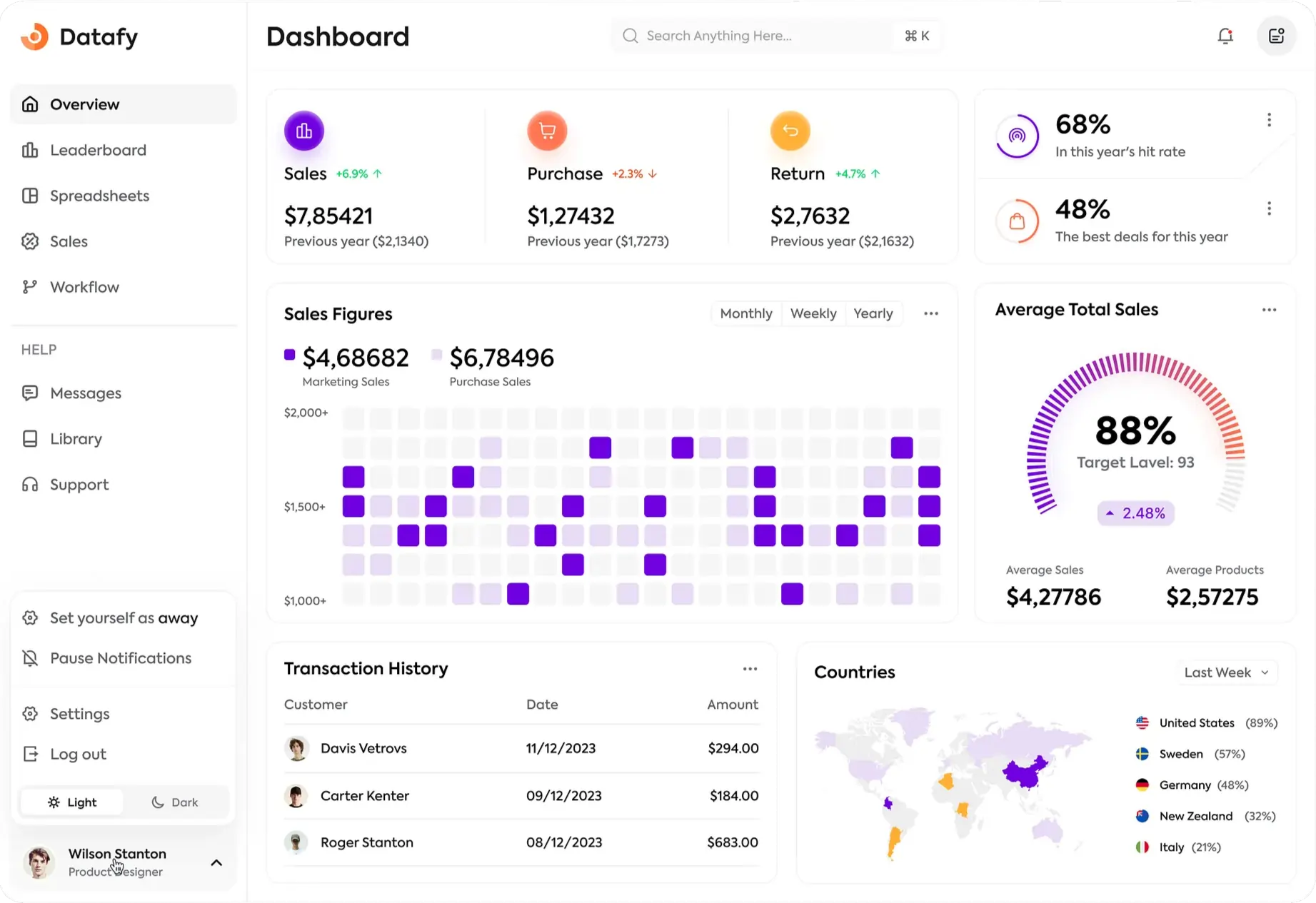
Move from your accounting package without losing years screenshot

Move from your accounting package without losing years

Saudi producers often hold years of sales and purchase records in their current package. Symake brings across open balances, open orders and the history you choose, mapped to the new chart of accounts. A test import of one year is checked by your finance team before the full load. Then one month-end is closed in both systems, and the switch happens only when the figures agree.

  • History mapped to the new chart of accounts
  • Test import of one year before the full load
  • Open orders and balances carried over
  • Switch only after figures agree
Plan our migration →

How a Saudi rollout moves from scope to close

Consultants travel to your region for the stages that matter

Scope

We confirm companies, plants and regions, and agree which processes move first.

Design

The chart of accounts, item coding, costing method and FATOORA setup are fixed in writing.

Build

Our Bengaluru team configures the system and imports cleaned masters and a test year of history.

Rehearsal

Key users run purchase, production, invoicing and month-end in a trial company.

Cutover

Balances, stock and open jobs are loaded, and consultants support the first live days in person.

First close

The first month is closed in both systems, and the old package goes read-only once they match.

Why Saudi Arabia makers outgrow trading software

Every Saudi producer charges VAT at 15% on domestic sales, and goods exported outside the GCC are generally zero-rated. ZATCA's FATOORA phase 2 continues to roll out in waves; wave 25 includes businesses whose VAT-subject revenue exceeded SAR 187,500 in any year from 2022 to 2025, and they must integrate by 1 February 2027. Tax invoices must carry the Arabic fields ZATCA requires. A group with several companies may find each one in a different wave, so Symake's ERP keeps FATOORA settings per company and raises invoices from deliveries.

FATOORA settings kept per group company
Arabic fields required by ZATCA included
Domestic sales at 15%, exports generally zero-rated
Wave 25 deadline built into the project plan

What Saudi owners gain from a production-ready ERP

Margins by product and customer that finance can defend, stock values that hold up in an audit, and a month-end that closes in days. Symake has delivered 200+ projects and applies the same method to Saudi groups large and small.

✓ Defensible margin by product
✓ Stock values ready for audit
✓ Faster month-end close
✓ One database across regions
✓ FATOORA-ready tax invoices
✓ English training and support
Talk to a consultant
What Saudi owners gain from a production-ready ERP
Built for GCC Business

Plan your Saudi Arabia move to Symake's ERP

Tell us your companies, plants and current package, and we will outline a migration plan and a first workshop.

Frequently Asked Questions

We have plants in Riyadh and Dammam. Can one system cover both regions?

Yes. Both plants share one database and one item list, each with its own warehouses. If they are separate companies, each keeps its own books, and group reports combine them.

Do your consultants travel to Jubail and Yanbu?

Yes. Consultants fly in from Bengaluru for workshops, training and go-live at sites across the Kingdom, with the exception of Makkah, where sessions are held in Jeddah or online.

How do we know which FATOORA wave our companies fall into?

Each company is judged on its own VAT-subject revenue. Wave 25 covers those above SAR 187,500 in any year from 2022 to 2025, with integration due by 1 February 2027. We review your figures at the start.

Can we keep using our accounting package for a while after go-live?

For one month-end close, yes. Both systems record the same month so finance can compare. After that, the old package is kept read-only for reference and audits.

Our trading arm imports finished goods while our plant makes others. Can both run together?

Yes. Traded items and made items live in the same item master. Traded items skip production, while made items use BOMs and jobs, and margins can be reported separately for each.

How is work in progress shown in the accounts?

Material, labour and subcontract charges on open production orders are held in a work-in-progress account. Completing output moves the value to finished stock, so the balance sheet stays current.

Can sales to customers outside the GCC be zero-rated automatically?

The customer record sets the VAT treatment. Exports of goods outside the GCC are generally zero-rated, and the invoice follows that setting, though your tax adviser should confirm unusual cases.

Do we need English-speaking key users?

It helps. The system, training and help desk use English, while tax invoices carry the Arabic fields ZATCA requires. Most clients choose key users who are comfortable in English and train others.

Call us WhatsApp