









ERP Software for Manufacturing in Dubai

ERP Software for Manufacturing in Dubai suits groups that assemble in JAFZA, export beyond the GCC and sell locally through a mainland company, because one ledger per entity, shared product data and clean export codes stop the month-end scramble.

Signs you need ERP Software for Manufacturing in Dubai
200+ Projects Delivered

What you get

  • Separate books with shared product records
  • Export and local invoices coded correctly
  • Transfers between entities booked on both sides

Signs you need ERP Software for Manufacturing in Dubai

A Dubai group often grows in a familiar order. First comes a trading licence and an off-the-shelf accounting tool, then a small assembly line in Dubai Investments Park, then a free-zone entity in Jebel Ali to handle exports. By then, the accounting tool is holding three companies it was never built to link, and the BOMs live in an engineer's spreadsheet. Symake's ERP puts each company on its own books but lets them share items, suppliers and production data, with transfers recorded on both sides. Export invoices to buyers outside the GCC carry the zero-rated code, while sales to Dubai customers carry VAT at 5%.

Book a Free Demo
0 + Projects Delivered
0 % Client Satisfaction
0 + Years of Experience
0 + Industries Served

Where a trading setup breaks for Dubai makers

And what Symake's ERP does instead

Engineering spreadsheets

Engineering spreadsheets

BOMs kept in a workbook drift from what the floor builds. Here each BOM has dated versions, and orders use the version in force.

Two-entity sales

Two-entity sales

A JAFZA company sells abroad and a mainland company sells in Dubai. Each invoice comes from the right entity with its own number series.

Export paperwork

Export paperwork

Invoices to buyers outside the GCC use the zero-rated code, and packing details flow from the delivery note to the invoice.

Order-driven builds

Order-driven builds

Custom orders create a linked production order, so the salesperson can see when material arrives and when the job is due.

Stock-driven builds

Stock-driven builds

Standard items are rebuilt when stock falls below a set level, keeping the line busy between custom jobs.

Imported components

Imported components

Shipments into Jebel Ali carry freight and clearing charges that are added to each component's cost on receipt.

Partner workshops

Partner workshops

Parts sent to an Al Quoz workshop for painting or machining are tracked as outside operations with their own cost.

Batch traceability

Batch traceability

Every finished batch links to the component lots used, so a returned shipment can be traced back to its supplier.

Group reporting

Group reporting

Sales, margin and stock for every Dubai company come from one database, without merging spreadsheets at month end.

Test the free-zone and mainland split first
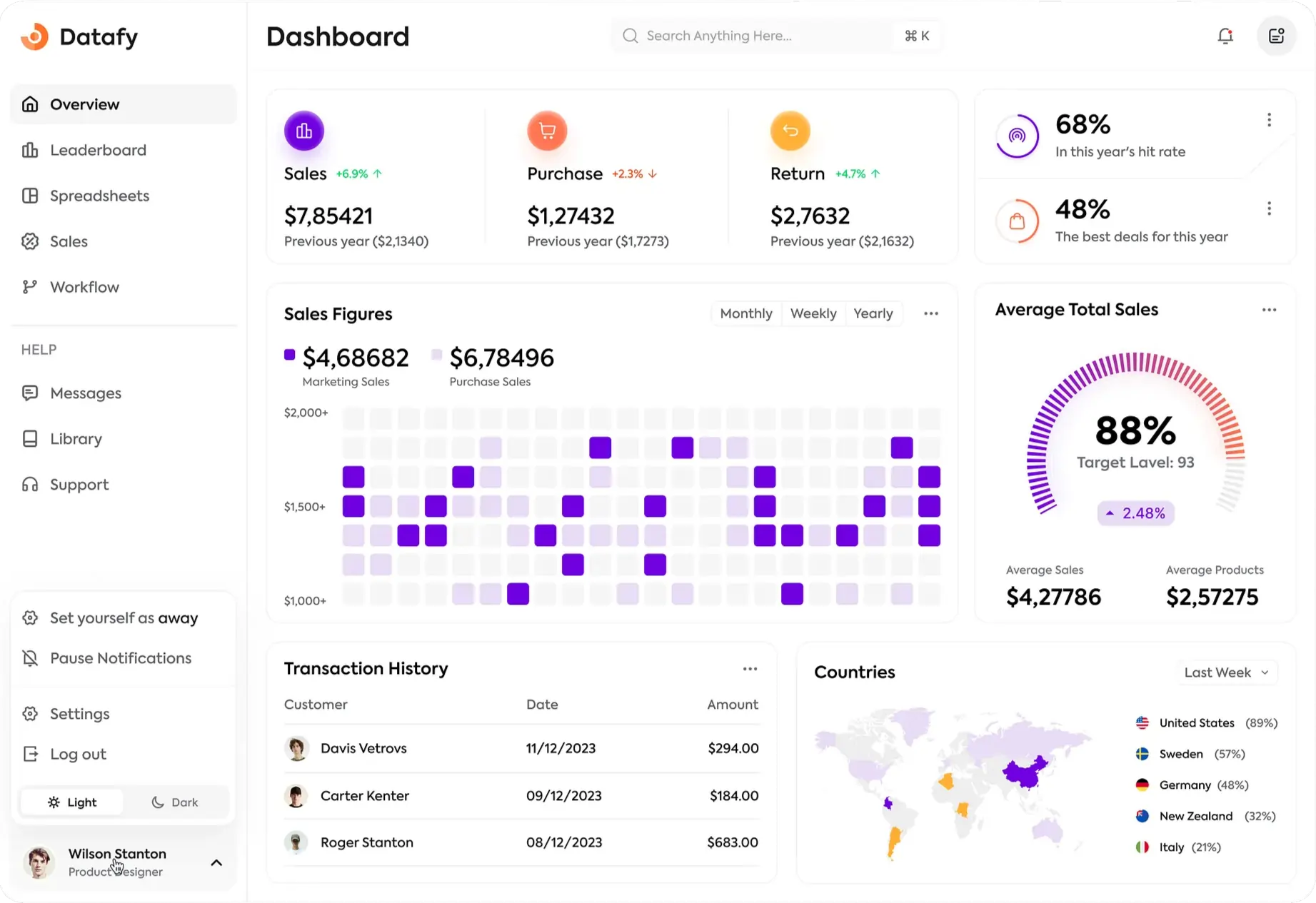
Test the free-zone and mainland split first screenshot

Test the free-zone and mainland split first

The hardest part of a Dubai changeover is usually not production but the company structure. In the first workshop we map which entity buys, which one makes, which one sells locally and which one exports. Then we post a sample transfer and a sample export in a test copy so your finance team sees both ledgers move. If the structure is right on day one, the rest of the build follows with far fewer surprises.

  • Entity map agreed in the first workshop
  • Sample transfer posted in both ledgers
  • Export invoice checked for zero rating
  • Number series set for each company
Map your entities →

How a Dubai group moves onto one system

Typical stages, adjusted to your companies and sites

Entity design

Companies, warehouses and tax settings are mapped for the JAFZA and mainland sides of the group.

Data clean

Items, BOMs and open balances are exported from the old tools and corrected before loading.

Build rules

Make-to-order and make-to-stock rules are set per product family, with routings and work centres.

Pilot month

One product family runs end to end in a test copy while the old tools continue as normal.

Dual close

Finance closes a month in both systems and signs off the comparison before switching.

Go-live

Consultants are in Dubai for the switch, then remote support follows during the UAE week.

Why Dubai makers outgrow trading software

Dubai producers charge VAT at 5% on local sales and pay corporate tax at 9% on profit. Exports of goods to destinations outside the GCC are generally zero-rated, which matters for JAFZA companies that ship most output abroad. E-invoicing arrives on 1 January 2027 for businesses at or above AED 50 million in revenue and on 1 July 2027 for everyone else, so each entity needs to know its own date. A trading tool that treats every sale the same way struggles with this mix. Symake's ERP holds tax settings per company, customer and item, and keeps a clear trail from production cost to invoice.

Local sales at 5% and exports zero-rated
Each company checked for its own go-live date
Production cost traceable to the invoice
Corporate tax at 9% based on valued stock

Why Dubai makers shortlist Symake

Symake designs, configures and supports its own system, so Dubai clients deal with one team from first workshop to steady use. Work is delivered from Bengaluru, where 200+ projects have been completed, with visits for workshops, training and go-live.

✓ Free-zone and mainland ledgers
✓ Variants under one product code
✓ Subcontract orders with material tracking
✓ Standard and actual cost per order
✓ VAT and e-invoicing output
✓ Multi-currency purchasing and sales
Try your own data
Why Dubai makers shortlist Symake
Built for GCC Business

Running two companies and one line in Dubai?

Tell us how your entities buy, make and sell, and we will sketch the setup in Symake's ERP.

Frequently Asked Questions

Our JAFZA company exports and our mainland company sells in Dubai. How is that set up?

Each is its own company with separate books, number series and tax settings. Products and suppliers can be shared, and goods moved from one to the other are recorded as an inter-company sale and purchase.

Are exports from Dubai always zero-rated?

Goods sent to destinations outside the GCC are generally zero-rated for VAT. The ERP applies the export code you set for those customers and destinations, and your tax adviser confirms the treatment for unusual cases.

Can one product be made to order for some customers and from stock for others?

Yes. The rule is set per product or per order. A custom order can trigger its own production order, while standard demand is met from stock that is rebuilt when it falls below a minimum.

How do you move our BOM spreadsheets into the system?

We take the workbook, check each parent and component code against your item list, fix units and quantities, and load them as versioned BOMs. Engineers review a sample before the full load.

Do you work with sites in Dubai Industrial City and Dubai Investments Park?

Yes. Each site can be a warehouse with its own work centres, or a separate company if it holds its own licence. Consultants visit Dubai for workshops and go-live, and support is remote.

Where does our old accounting data end up?

Opening balances and a year or more of monthly totals are loaded, so management reports compare periods. The old tool stays available read-only for looking up individual past documents.

Can partner workshops in Al Quoz be tracked?

Yes. A subcontract order sends material out, records the service cost when parts return, and keeps the material in your stock until then, so nothing disappears from the books.

Will anyone from Symake be on site in Dubai?

Yes, for key stages, although there is no Symake office or team anywhere in the UAE. Consultants travel from Bengaluru for workshops, training and go-live, and day-to-day help is remote during hours that overlap the Monday to Friday week.

Call us WhatsApp