









ERP, POS and Retail Inventory Solutions in Jeddah

ERP, POS and Retail Inventory Solutions in Jeddah for family-run groups ready to retire old tills and spreadsheets. Symake plans the change, moves your records, trains each team and stays with you until every store trades on one system.

Moving to ERP, POS and Retail Inventory Solutions in Jeddah
200+ Projects Delivered

What you get

  • Old till data cleaned before it moves across
  • Owner approvals kept and recorded in the system
  • Port receipts split into store transfers

Moving to ERP, POS and Retail Inventory Solutions in Jeddah

Jeddah is the commercial gateway of the Red Sea coast, and many of its retail businesses are family groups that grew one store at a time. That growth often leaves each store with its own till software and a separate spreadsheet for stock. Symake replaces that patchwork with one system, starting with the stores on Tahlia Street and in Al Hamra and then adding older branches near Al Balad. Imported goods arriving through Jeddah Islamic Port are received once and shared out to stores by transfer. Owners keep the approvals they are used to, now recorded in the system instead of on paper.

Book a Free Demo
0 + Projects Delivered
0 % Client Satisfaction
0 + Years of Experience
0 + Industries Served

Delivery steps for Jeddah retail groups

From the first audit of your old tools to steady trading

Legacy system audit

Legacy system audit

We list every till program, spreadsheet and accounting file in use, and note which data is trusted and which needs cleaning.

Item master cleanup

Item master cleanup

Duplicate items, missing barcodes and old prices are fixed before migration, so stores start with one clean catalogue.

Family approval rules

Family approval rules

Discounts, price changes and large purchases follow the approval steps your owners already use, with each decision logged.

Import receiving

Import receiving

Containers cleared through the port are received against the purchase order and landed cost is added before stock is valued.

Store-by-store switch

Store-by-store switch

Each store moves to the new tills on an agreed date, with a consultant present for the first trading day.

mada at the counter

mada at the counter

Cashiers take mada, cards and Apple Pay on the same screen, and the shift closes with cash and card totals.

Loyalty carried over

Loyalty carried over

Customer points from your old scheme are loaded so regular shoppers keep their balance after the switch.

Web orders

Web orders

Orders from your online store draw on store and warehouse stock and can be collected at a branch or delivered.

Owner dashboards

Owner dashboards

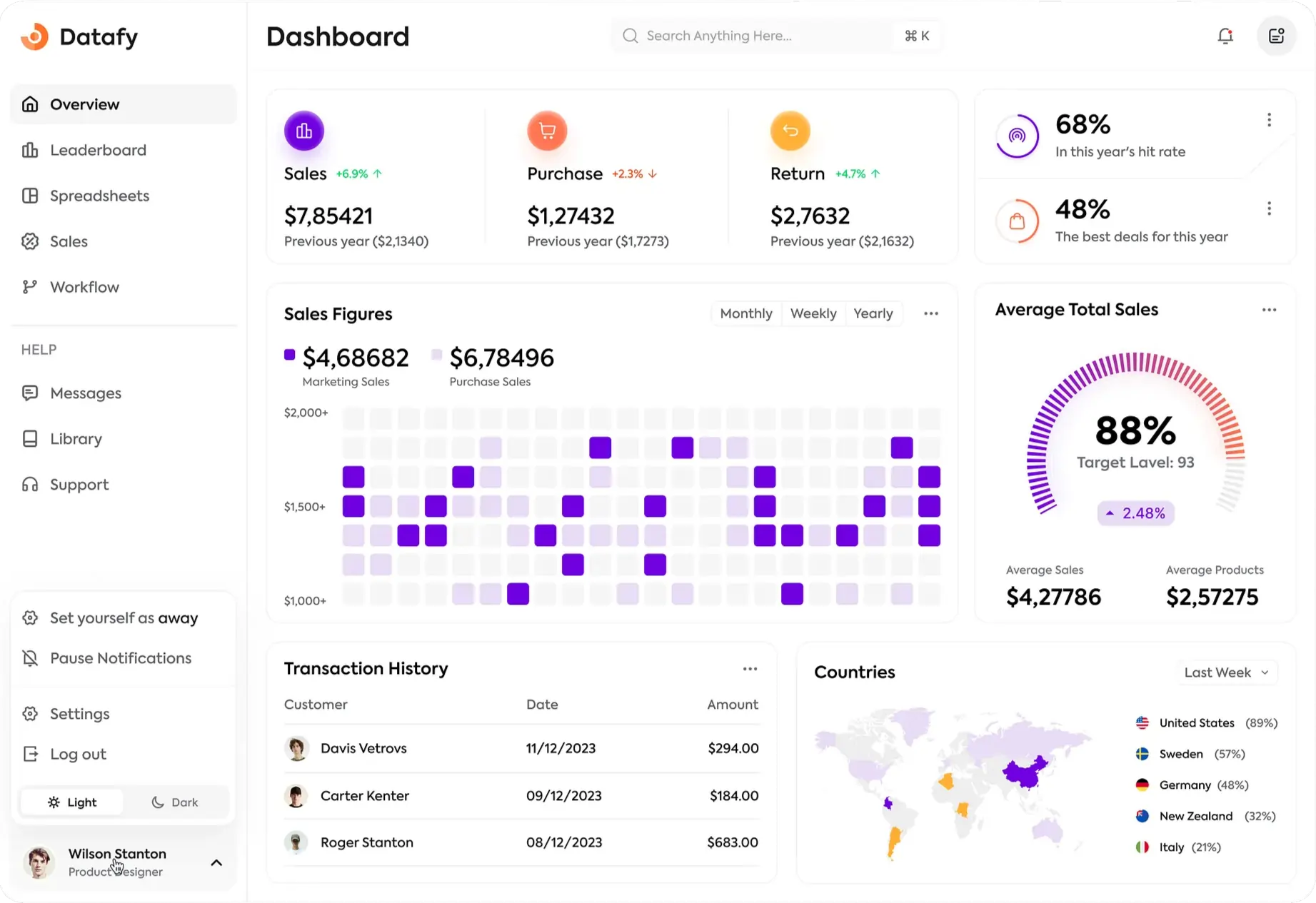
Sales, margin and stock by store are visible on one screen, ready for the weekly family review meeting.

Moving off old tills without disrupting trade
Moving off old tills without disrupting trade screenshot

Moving off old tills without disrupting trade

The hardest part of changing systems is the switch itself. Symake plans each store's cutover for a quieter trading day, runs a final stock count the night before and loads the closing figures as opening stock. Old tills stay on read-only access for a short period, so staff can look up past receipts while they get used to the new screens.

  • Cutover planned for a quiet trading day
  • Night-before stock count becomes opening stock
  • Old till data kept read-only for lookups
  • Consultant on hand during the first shift
Plan the switch →

The Jeddah migration path

Six steps that move a family retail group onto one system

Audit

We review the tools, files and reports each store uses today and agree what to keep.

Clean

Items, barcodes, suppliers and customer records are cleaned and checked with your staff.

Configure

Stores, warehouses, prices, promotions and approval rules are set up and tested.

Rehearse

A trial cutover runs on copied data so issues are found before a real store switches.

Switch

Stores move to the new tills one at a time, each with a stock count and a consultant on hand.

Review

After go-live we compare sales, cash and stock with the old figures and close any gaps.

One retail stack for Jeddah

Jeddah retailers charge VAT at 15% and report to ZATCA. FATOORA phase 2 requires invoices in UBL XML with a cryptographic stamp and QR code. B2B invoices are cleared in real time, and simplified invoices such as counter receipts must be reported within 24 hours. Wave 25 brings in businesses whose VAT-subject revenue went above SAR 187,500 in any year from 2022 to 2025, and their integration deadline is 1 February 2027. Because legacy tills rarely meet phase 2, Symake treats compliance as part of the migration: invoices and receipts carry the Arabic fields ZATCA requires from the first day a store switches.

Legacy tills replaced with phase 2 ready counters
Counter receipts reported to ZATCA within 24 hours
Arabic invoice fields printed as ZATCA requires
SAR currency and VAT at 15% on every receipt

What family groups in Jeddah get from Symake

A family business wants change without losing control. Symake keeps owners in the approval chain, moves trusted data across carefully and gives each generation of managers clear reports they can read without help.

✓ Owners approve key changes
✓ Clean data before the switch
✓ Each store moved on its own date
✓ One catalogue for all stores
✓ Weekly owner reports by store
✓ English training for each team
Book a review
What family groups in Jeddah get from Symake
Built for Retail

Bring your Jeddah stores onto one system

Share the tools each store uses today and we will map a migration plan with clear dates.

Frequently Asked Questions

Can you migrate data from the till software our Jeddah stores use now?

In most cases, yes. We export items, barcodes, prices and customer records from the old system, clean them with your staff and load them into the new one. Where an export is not possible, we work from spreadsheets.

How do you handle goods arriving through Jeddah Islamic Port?

The shipment is received once against the purchase order. Shipping and clearance costs are added as landed cost, and the goods are then sent to stores by transfer, so each store's stock value is correct.

Do owners still approve discounts and price changes?

Yes. Approval rules follow your current practice. A price change or a large discount waits for the right person, and the system records who approved it and when.

Can our stores in Makkah and Madinah use the same system?

Yes. Branches in those cities can be added to the same company and stock. Training for staff from Makkah takes place in Jeddah or online, and Madinah teams can train in Jeddah, Riyadh or online.

What is the risk of losing sales on switch day?

We plan the switch for a quieter trading day, rehearse it on copied data first and keep a consultant on hand. The new tills also work offline, so a network problem does not stop sales.

Will customers keep their loyalty points?

Yes. Points balances from your old scheme are loaded before go-live. Customers can earn and redeem points at any store and online from the first day.

Who supports us after the stores are live?

Symake's support team in Bengaluru works remotely on Saudi working days. Each store has a named contact, and urgent till issues are handled first.

Do you train staff in Arabic?

Our trainers and support staff work in English. We keep guides short and task-based so cashiers and storekeepers can follow them easily, and receipts still carry the Arabic fields ZATCA requires.

Call us WhatsApp